Table of contents
- 🧬 What Is the Gut Microbiome?
- 🔄 The Gut-Brain Axis: How the Two Communicate
- 🩺 How Gut Health Affects Mental Wellness
- 🍔 Why Gut Health Is Declining in America
- 🥦 Foods That Heal and Support the Gut-Brain Axis
- ☠️ Foods That Harm Gut Health
- 🧘 Lifestyle Habits That Improve Gut and Mental Wellness
- 🧩 The Future of Gut-Mind Medicine in America
- 🌟 Conclusion
Key Takeaways
- The gut-brain axis connects gut health and mental wellness, influencing mood and energy levels.
- Imbalances in the gut microbiome can lead to anxiety, depression, and cognitive issues.
- Eating probiotic-rich, prebiotic, and anti-inflammatory foods supports gut health and improves mental clarity.
- Many modern American habits, like poor diet and stress, contribute to declining gut health.
- Future treatments may include psychobiotics and gut-first wellness programs that focus on nutrition and mindfulness.
“Trust your gut” isn’t just a saying—it’s backed by science. Recent studies show that gut health and mental wellness are closely connected, as your digestive system and your brain are in constant communication, forming what scientists call the gut-brain axis.
In the United States, where anxiety, depression, and chronic fatigue are on the rise, experts are discovering that the key to better mental health may start not in the mind, but in the microbiome—the trillions of bacteria living in your gut.
This article explores how gut health shapes your mental wellness, mood, and energy levels—and how you can rebalance your microbiome for a healthier body and mind.
🧬 What Is the Gut Microbiome?
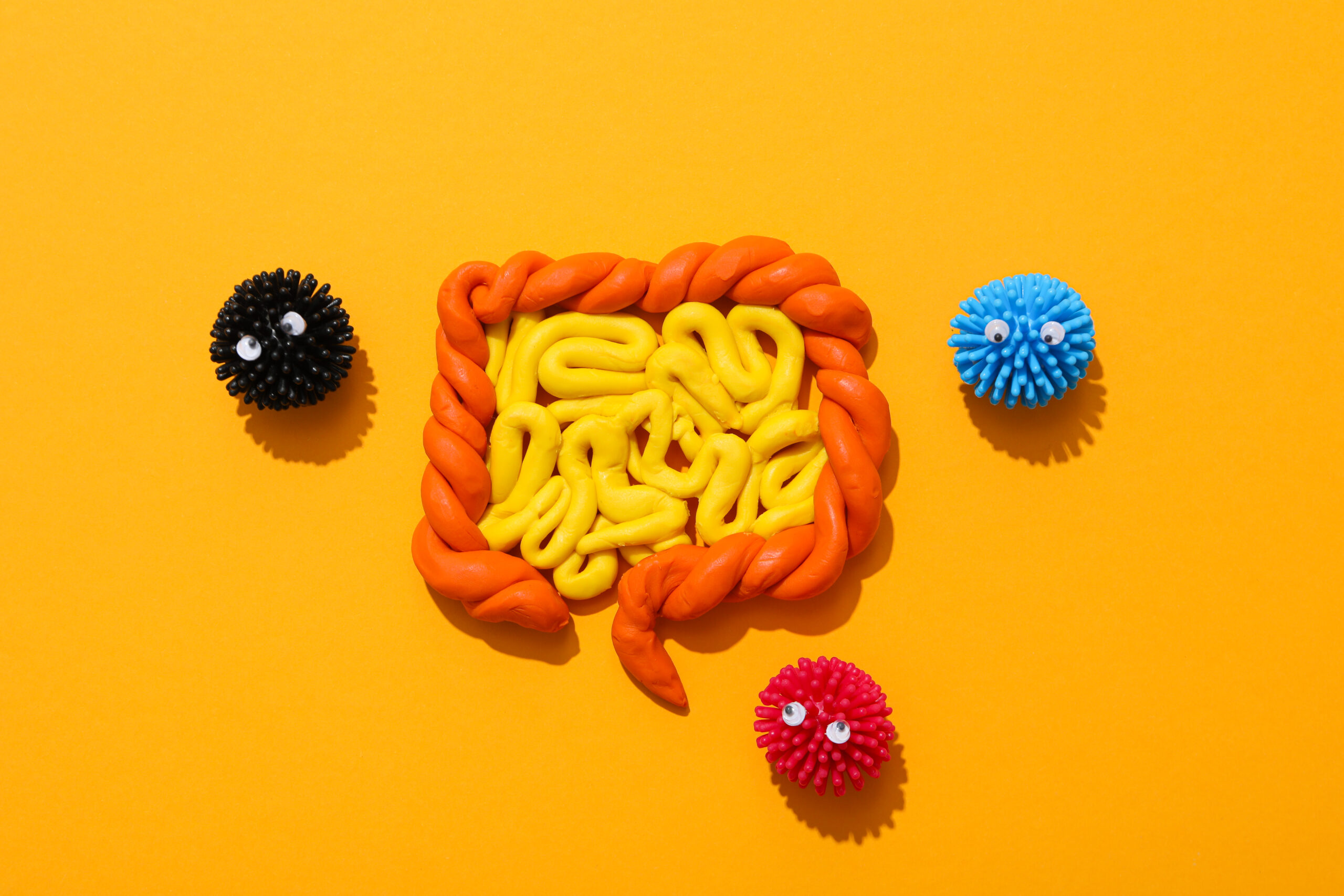
The gut microbiome is a vast ecosystem of bacteria, fungi, and other microorganisms that live in your digestive tract.
It’s like a rainforest inside your body—when it’s thriving and diverse, you feel vibrant, focused, and balanced.
But when it’s out of balance (a condition called dysbiosis), it can trigger digestive issues, inflammation, mood swings, brain fog, and fatigue.
🔄 The Gut-Brain Axis: How the Two Communicate
Your gut and brain are connected through the vagus nerve, forming a two-way communication highway.
This means your gut can influence how you think, feel, and behave.
| Pathway | Description |
|---|---|
| Neural | The vagus nerve sends messages between gut and brain. |
| Hormonal | Gut bacteria produce serotonin, dopamine, and GABA—key neurotransmitters for mood. |
| Immune | A healthy gut reduces inflammation, which protects brain function. |
👉 In fact, over 90% of serotonin—the “happiness hormone”—is produced in the gut, not the brain!
🩺 How Gut Health Affects Mental Wellness
- Mood Regulation
Imbalanced gut bacteria can reduce serotonin and dopamine levels, contributing to anxiety, depression, and irritability. - Energy and Motivation
A healthy gut supports efficient nutrient absorption and steady blood sugar—key for maintaining mental clarity and motivation. - Sleep Quality
The gut microbiome helps regulate melatonin production, the hormone responsible for sleep-wake cycles. - Stress Resilience
Certain gut bacteria (like Lactobacillus and Bifidobacterium) lower cortisol levels and reduce the physical effects of stress. - Cognitive Performance
Chronic inflammation from poor gut health can impair memory, focus, and learning ability.
🍔 Why Gut Health Is Declining in America
Modern American lifestyles are hard on the microbiome:
- Diets high in processed foods, sugars, and refined carbs
- Overuse of antibiotics and antibacterial products
- Stress and lack of sleep
- Low fiber intake
- Environmental toxins and pollution
💡 A 2024 study from Harvard Medical School found that over 70% of Americans have moderate to severe gut microbiome imbalance—often without realizing it.
🥦 Foods That Heal and Support the Gut-Brain Axis
✅ 1. Probiotic-Rich Foods
Feed your gut beneficial bacteria.
Examples:
- Yogurt with live cultures
- Kefir
- Sauerkraut
- Kimchi
- Miso
- Kombucha
These foods reintroduce friendly bacteria and improve digestion, mood, and immune response.
✅ 2. Prebiotic Foods
Prebiotics are the “food” for your gut bacteria.
Examples:
- Bananas
- Oats
- Garlic
- Onions
- Leeks
- Asparagus
Eating both probiotics + prebiotics creates a symbiotic effect for optimal gut function.
✅ 3. Anti-Inflammatory Foods
- Fatty fish (salmon, sardines)
- Olive oil
- Leafy greens
- Berries
- Turmeric
These reduce gut and brain inflammation that contributes to mood disorders.
✅ 4. Fiber and Hydration
Fiber keeps digestion smooth and supports bacterial diversity.
Aim for 25–30 grams/day and drink plenty of water.
☠️ Foods That Harm Gut Health
| Type | Examples | Impact |
|---|---|---|
| Ultra-processed foods | Chips, fast food, pastries | Feed bad bacteria, increase inflammation |
| Artificial sweeteners | Aspartame, sucralose | Disrupt gut microbiota and insulin response |
| Refined sugar | Sodas, desserts | Promotes yeast overgrowth and cravings |
| Excess alcohol | Especially beer and spirits | Damages gut lining and increases permeability |
🧘 Lifestyle Habits That Improve Gut and Mental Wellness
- Manage Stress
Chronic stress damages gut lining and reduces good bacteria.
Try meditation, yoga, or deep breathing daily. - Sleep Consistently
Sleep deprivation alters the gut microbiome. Aim for 7–9 hours each night. - Exercise Regularly
Moderate physical activity increases bacterial diversity and lowers anxiety. - Limit Antibiotic Use
Use only when prescribed and always follow up with probiotics. - Spend Time Outdoors
Contact with nature and soil microbes supports a healthy immune and gut balance.
🧩 The Future of Gut-Mind Medicine in America
Researchers are developing psychobiotics—specific strains of probiotics that improve mood and reduce anxiety.
These may soon become part of mainstream therapy for conditions like depression and PTSD.
Integrative doctors and nutritionists are also promoting gut-first wellness programs, combining nutrition, mindfulness, and microbiome testing to personalize treatment.
🌟 Conclusion
Your gut isn’t just a digestive organ—it’s your second brain.
When you nourish it with real food, reduce stress, and prioritize rest, you create harmony between body and mind.
In a world full of mental overload, the path to peace and clarity might begin with something as simple as healing your gut.
So next time you feel anxious, tired, or foggy—listen to your gut. It might be trying to tell you exactly what you need.
Continue your growth journey by exploring our guide:
-

-

-
-

-
-