Table of contents
- Introduction
- Motivation vs Consistency: What’s the Difference?
- Why Motivation Is So Unreliable (Especially in America)
- The Science: Why Consistency Works
- Why Consistency Is Hard—but Worth It
- The American Shift: From Motivation to Systems
- How Americans Are Building Consistency That Lasts
- Consistency in Action: A Realistic Weekly Template
- Motivation Still Matters—But Only as a Spark
- The Mental Health Advantage of Consistency
- Why Consistency Wins in the Long Run
- The Quiet Power of Showing Up
- Conclusion
Key Takeaways
- Motivation is unreliable for fitness; instead, consistency drives long-term success.
- Americans face challenges from stress and emotion-driven motivation, leading to inconsistent fitness habits.
- Fitness marketing promotes unrealistic expectations; sustainable habits yield better health outcomes.
- Building systems, such as setting regular workout times, can help establish lasting consistency.
- Consistency enhances mental well-being and reduces burnout, proving to be more effective than fleeting motivation.
Introduction
If motivation were enough, America would be the fittest country on earth.
Bookshelves are full of motivation.
Social media is flooded with it.
Gyms sell it in slogans, challenges, and transformation stories.
Yet despite all this inspiration, most Americans struggle to stay consistent with fitness.
Here’s the uncomfortable truth no one likes to admit:
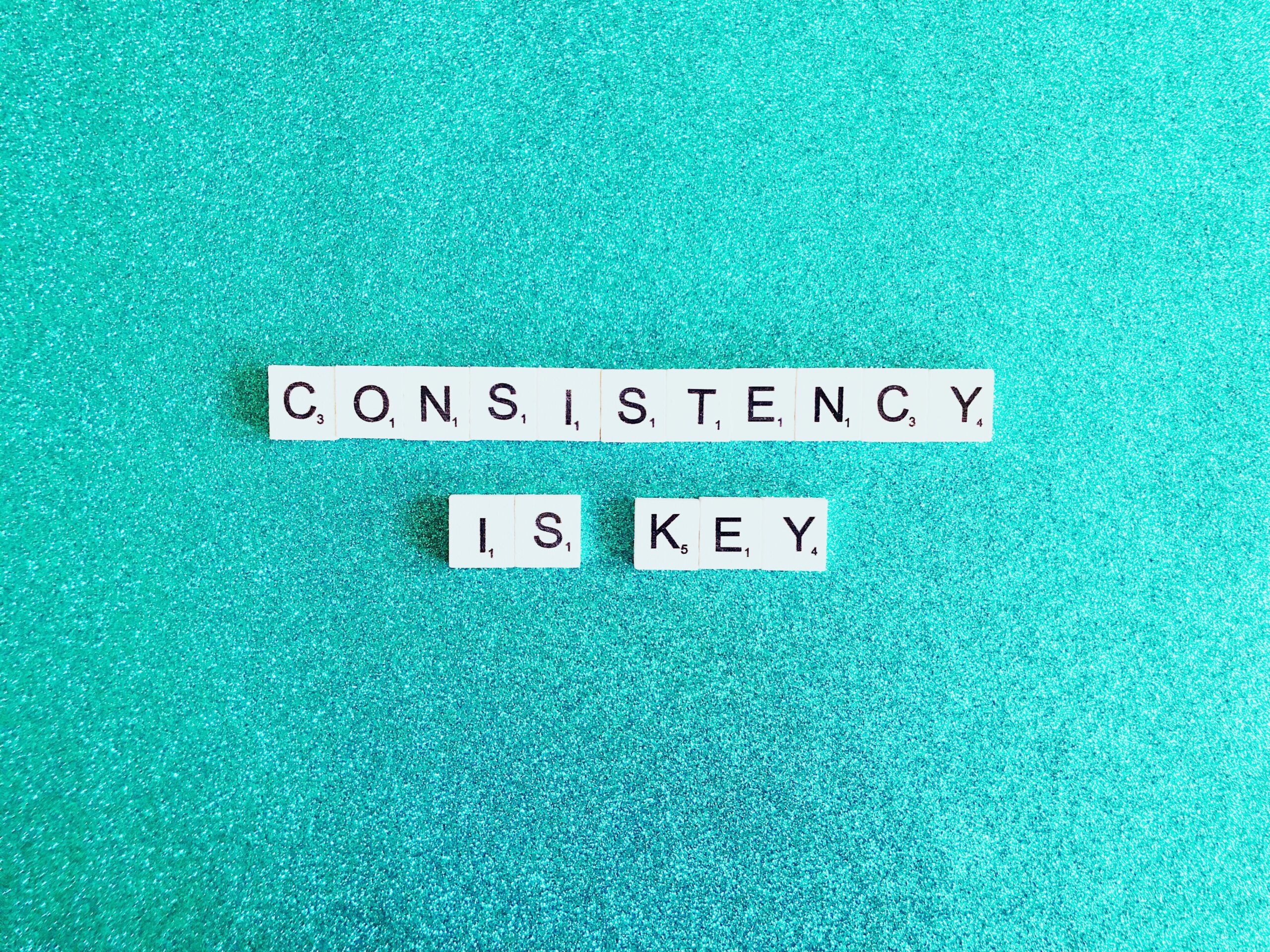
👉 Motivation doesn’t build fitness. Consistency does.
In 2025, a growing number of Americans are rejecting hype-driven fitness culture and embracing something far more powerful—and far less glamorous: showing up regularly, even when motivation is gone.
This article explains why consistency beats motivation every time, how American fitness culture got it backwards, and how you can build habits that last for life.
Motivation vs Consistency: What’s the Difference?
Motivation
- Emotional
- Temporary
- Influenced by mood, stress, and life events
- Peaks and crashes
Motivation feels great—but it’s unreliable.
Consistency
- Habit-based
- Boring but powerful
- Independent of mood
- Compounds over time
Consistency doesn’t rely on feeling inspired.
It relies on systems.
Why Motivation Is So Unreliable (Especially in America)
1. The American Lifestyle Is Stress-Heavy
Between work pressure, financial stress, family responsibilities, and constant digital stimulation, Americans are mentally exhausted.
According to the American Psychological Association, chronic stress significantly reduces willpower and follow-through.
🔗 Source:
https://www.apa.org/topics/stress
Expecting motivation to survive this environment is unrealistic.
2. Motivation Is Emotion-Driven
Motivation spikes when:
- You see a transformation
- You buy new workout clothes
- You start a new program
But emotions fade—and when they do, routines collapse.
That’s why so many Americans:
- Start strong in January
- Quit by February
- Restart again and again
3. Fitness Marketing Sells Inspiration, Not Sustainability
American fitness culture often promotes:
- “30-day transformations”
- “No excuses”
- “All or nothing”
This creates unrealistic expectations and guilt when life inevitably interferes.
The CDC emphasizes that long-term physical activity—not short bursts—is what improves health outcomes.
🔗 Source:
https://www.cdc.gov/physicalactivity/basics/pa-health/index.htm
The Science: Why Consistency Works
🧠 Habit Formation and the Brain
Consistency rewires the brain.
Repetition strengthens neural pathways, making behaviors:
- Easier
- More automatic
- Less emotionally demanding
The National Institutes of Health explain that habits reduce cognitive load, meaning you don’t rely on willpower every time.
🔗 Source:
https://www.ncbi.nlm.nih.gov/pmc/articles/PMC3505409/
In simple terms:
The more consistent you are, the less effort fitness requires.
🧬 Physiological Adaptation Requires Time
Your body adapts slowly—but predictably.
Consistency leads to:
- Improved insulin sensitivity
- Increased muscle retention
- Better cardiovascular efficiency
- Reduced injury risk
Harvard Health confirms that small, regular activity provides greater health benefits than sporadic intense workouts.
🔗 Source:
https://www.health.harvard.edu/exercise-and-fitness
Why Consistency Is Hard—but Worth It
Consistency lacks excitement.
There are no viral moments.
No dramatic “before and after” overnight.
But what it offers instead is:
- Progress without burnout
- Confidence without obsession
- Health without extremes
That’s why Americans who stick with fitness long-term rarely look the most motivated—they look the most balanced.
The American Shift: From Motivation to Systems
More Americans in 2025 are building fitness systems, not relying on mood.
Examples of Systems:
- Walking after dinner every night
- Strength training every Monday, Wednesday, Friday
- Laying out workout clothes the night before
- Scheduling workouts like meetings
Systems remove decision-making—and decisions drain energy.
How Americans Are Building Consistency That Lasts
✅ 1. Lowering the Bar (Strategically)
Instead of:
❌ “I must work out for 60 minutes”
They choose:
✅ “I’ll move for 15 minutes—anything counts”
This reduces resistance and keeps the habit alive.
✅ 2. Training Identity, Not Willpower
People who say:
- “I’m someone who moves daily”
Are more consistent than those who say:
- “I’m trying to get motivated”
Identity-based habits are harder to break.
✅ 3. Detaching Fitness From Emotion
Consistent Americans train:
- When tired
- When busy
- When unmotivated
Not because they love it every day—but because it’s part of who they are.
✅ 4. Making Fitness Convenient
Convenience beats intensity.
- Home workouts
- Walking instead of driving
- Short sessions
- Minimal equipment
According to Harvard research, proximity and ease strongly influence adherence.
🔗 Source:
https://www.health.harvard.edu/staying-healthy
Consistency in Action: A Realistic Weekly Template
| Day | Activity |
|---|---|
| Monday | 30 min strength |
| Tuesday | 20 min walk |
| Wednesday | 30 min strength |
| Thursday | Mobility or walk |
| Friday | 20 min strength |
| Saturday | Outdoor movement |
| Sunday | Rest |
No extremes. Just repetition.
Motivation Still Matters—But Only as a Spark
Motivation is useful for:
- Starting
- Trying something new
- Creating initial momentum
But it’s not reliable for:
- Long-term change
- Stressful seasons
- Busy schedules
Consistency carries you when motivation disappears.
The Mental Health Advantage of Consistency
Consistent movement:
- Reduces anxiety
- Improves mood
- Builds self-trust
- Eliminates guilt cycles
The CDC notes that regular physical activity significantly improves mental well-being.
🔗 Source:
https://www.cdc.gov/physicalactivity/basics/pa-health/index.htm
Fitness stops being a source of pressure—and becomes support.
Why Consistency Wins in the Long Run
| Motivation | Consistency |
|---|---|
| Short-lived | Long-lasting |
| Emotion-driven | Habit-driven |
| High effort | Low friction |
| Unpredictable | Reliable |
| Burnout-prone | Sustainable |
This is why the fittest Americans aren’t the loudest—they’re the most consistent.
The Quiet Power of Showing Up
No one celebrates:
- Your 200th walk
- Your 500th workout
- Your boring routine
But these moments build:
- Strong bodies
- Calm minds
- Lasting health
Consistency compounds—even when no one is watching.
Conclusion
Motivation will fail you.
Life will get busy.
Energy will drop.
But consistency—built through habits, systems, and self-respect—will carry you forward.
The healthiest Americans in 2025 aren’t chasing inspiration.
They’re showing up, quietly, repeatedly, and without drama.
You don’t need more motivation.
You need a plan you can repeat.
Because in fitness—and in life—
consistency always wins.
Continue your growth journey by exploring our guide:
- The Role of Sleep in Achieving Optimal Health
- How Mental Health and Physical Health Are Deeply Connected
- Detox Myths vs. Facts: What Actually Works for Your Body
- The Science of Habit Formation: How to Build Habits That Stick
-

-

-

-

-
-