Table of contents
- Introduction: Why Your Workout Should Match Your Life
- I. What is Functional Fitness? (The Science of Movement)
- II. The 7 Primal Movement Patterns
- III. Designing Your First 2026 Functional Program
- IV. The Technology Factor: Fitness in 2026
- V. Nutrition for Functional Performance
- VI. Common Mistakes Beginners Make
- VII. The Mental Edge: Resilience and Mindset
- Conclusion: Start Where You Are
Key Takeaways
- The fitness trend has shifted to the basics of functional fitness, emphasizing real-life movement over aesthetic goals.
- Functional fitness involves training that mimics daily activities, using a multi-planar approach and compound movements.
- Key exercises include squats, lunges, hinges, pushes, pulls, rotations, and gait to ensure overall body functionality.
- Technology, such as AI for form correction and wearables for tracking, plays a significant role in 2026 fitness strategies.
- Nutrition for functional fitness focuses on proteins, anti-inflammatory fats, and proper hydration for optimal performance.
Introduction: Why Your Workout Should Match Your Life
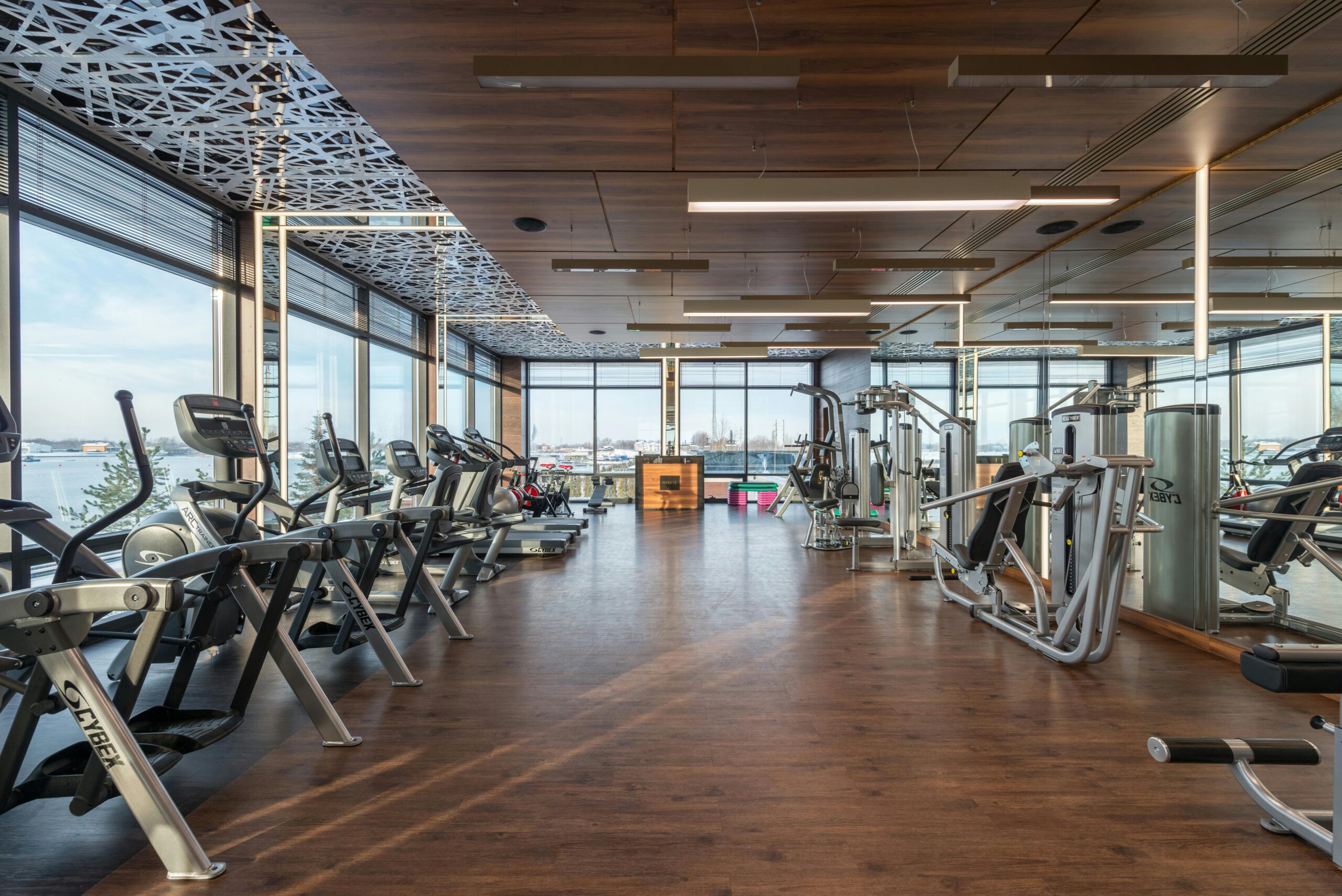
For decades, the fitness industry was obsessed with “aesthetic fitness”—building muscles that look good in a mirror but don’t necessarily help you carry groceries or lift a child. In 2026, the trend has shifted toward Functional Fitness. This isn’t just a workout; it’s a movement strategy designed to improve your performance in daily activities, reduce the risk of injury, and enhance longevity.
If you are a beginner, functional fitness is the most logical starting point. It doesn’t require a room full of expensive machines; it requires an understanding of how the human body is designed to move.
I. What is Functional Fitness? (The Science of Movement)
Functional fitness involves exercises that train your muscles to work together and prepare them for daily tasks by simulating common movements you might do at home, at work, or in sports.
1. The Multi-Planar Approach
Most gym machines move in a single plane (like a leg extension). Real life happens in three planes of motion:
- Sagittal Plane: Forward and backward (walking, lunging).
- Frontal Plane: Side to side (stepping over a puddle).
- Transverse Plane: Rotational (turning to look behind you).
Functional training targets all three, ensuring your joints are stable and your core is resilient.
2. The Role of Compound Movements
In functional fitness, we prioritize Compound Movements over isolation exercises. Instead of a bicep curl, we perform a “Row” or a “Pull-up.” Why? Because in real life, your muscles never work in isolation. According to The American Council on Exercise (ACE), compound movements burn more calories, improve coordination, and build “real-world strength.”
II. The 7 Primal Movement Patterns
To build a functional body, your program must be built around the seven movements the human body was evolved to perform:
1. The Squat
The ultimate functional move. Whether you’re sitting in a chair or picking up a box, you’re squatting.
- Beginner Tip: Start with the “Goblet Squat” to keep your chest upright and protect your spine.
2. The Lunge
Lunging represents gait and locomotion. It builds unilateral (one-legged) strength, which is vital for balance as we age.
3. The Hinge
Think of the Deadlift. Hinging is the art of pushing your hips back to pick something up without using your lower back. This is the #1 movement for preventing chronic back pain.
4. Push (Vertical and Horizontal)
From pushing a heavy door to putting a suitcase in an overhead bin.
5. Pull (Vertical and Horizontal)
Essential for posture. In a world where we are constantly hunched over laptops, pulling exercises strengthen the posterior chain (the back of your body).
6. Rotation
Every time you swing a golf club or reach for your seatbelt, you’re rotating. A strong core is the “bridge” that allows this rotation to happen safely.
7. Gait (Walking/Running)
The most basic human function. Functional fitness ensures your walking mechanics are efficient and pain-free.
III. Designing Your First 2026 Functional Program
As a beginner, you don’t need 5 days a week at the gym. Science shows that 3 sessions of 45 minutes are more than enough to trigger muscle adaptation and metabolic health.
The “A-B-C” Beginner Routine:
- A: Mobility Warm-up (10 mins): Dynamic stretching to “wake up” the nervous system.
- B: The Main Circuit (25 mins): * 3 Sets of Squats (12 reps)
- 3 Sets of Push-ups (as many as possible)
- 3 Sets of Plank (hold for 45 seconds)
- 3 Sets of Kettlebell Swings (focus on the hinge)
- C: Recovery (10 mins): Static stretching and deep breathing to lower cortisol.
IV. The Technology Factor: Fitness in 2026
We cannot talk about fitness in 2026 without mentioning technology.
- AI Form Correction: Use apps like Zenia or built-in smartphone AI to record your movements. These apps use computer vision to analyze your angles and tell you if your back is rounded during a squat.
- Wearable Biometrics: In 2026, we track more than just steps. We monitor Heart Rate Variability (HRV). If your HRV is low, your functional session should be light to avoid overtraining.
V. Nutrition for Functional Performance
Fueling a functional body isn’t about “dieting”; it’s about “nourishing.”
- Protein for Repair: Aim for 1.6g of protein per kg of body weight to repair the micro-tears caused by strength training.
- Anti-Inflammatory Fats: As mentioned in our previous guide on Chronic Inflammation, Omega-3s are essential for joint health—the “gears” of your functional movement.
- Hydration: Muscles are 75% water. Even 2% dehydration can lead to a 10% drop in strength.
VI. Common Mistakes Beginners Make
- Chasing Weight, Not Form: Lifting heavy with bad form is a shortcut to the chiropractor.
- Neglecting Mobility: Flexibility is passive; Mobility is active. You need the strength to control your range of motion.
- Ignoring Pain: “No pain, no gain” is outdated. Functional fitness should make you feel energized, not broken.
VII. The Mental Edge: Resilience and Mindset
Functional fitness is as much about the brain as it is about the body. Every time you balance on one leg or hold a heavy carry, your brain is building new neural pathways (neuroplasticity). This mental toughness translates to real life—helping you stay calm under pressure at work or in personal life.
Conclusion: Start Where You Are
The goal of functional fitness isn’t to become a bodybuilder. The goal is to be capable. Capable of playing with your kids, capable of hiking a mountain at age 60, and capable of moving through the world with confidence.
2026 is the year to stop working out for the mirror and start working out for your life. Choose one movement today—a squat, a lunge, or a stretch—and start your journey.
Continue your growth journey by exploring our guide:
-

-
-

-
-
-