The Sleep Crisis in America: How Poor Sleep is Undermining Your Health & Fitness
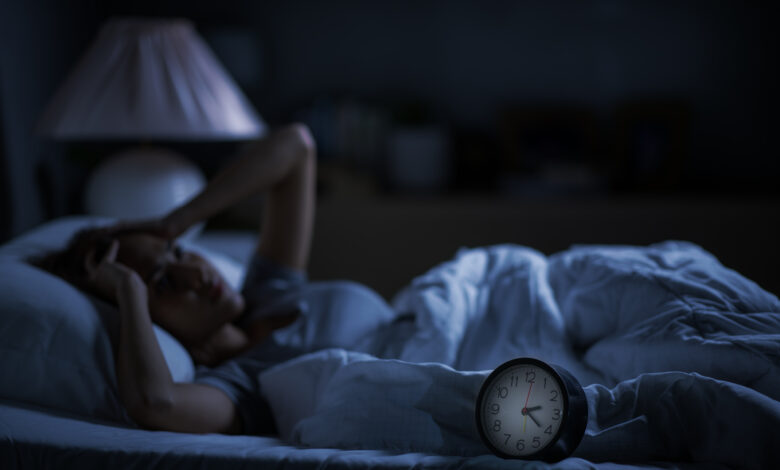
Table of contents
Key Takeaways
- The sleep crisis in America affects one-third of adults, impacting health, fitness, and disease risk.
- Poor sleep disrupts metabolism, slows muscle recovery, and leads to hormonal imbalances.
- To combat the sleep crisis, prioritize a consistent sleep schedule and optimize your environment.
- Implement practical strategies like limiting screen time and managing caffeine intake before bed.
- Address common myths about sleep and embrace sleep as a key component of your fitness strategy.
In the United States, more than one-third of adults consistently get less than the recommended 7 hours of sleep per night. This widespread “sleep crisis” isn’t just a matter of feeling groggy the next day—it’s part of a larger sleep crisis in America that is profoundly affecting health, fitness, recovery, weight regulation, and even disease risk.
Whether you’re training for performance, trying to lose fat, or simply maintaining a healthy lifestyle, ignoring sleep means you’re sabotaging your progress.
In this comprehensive guide, you’ll uncover:
- Why America faces a sleep epidemic
- How poor sleep affects metabolism, muscle recovery, hormones, and immunity
- The connection between sleep and fitness goals
- Practical, evidence-based steps to break the cycle and reclaim restful nights
💤 Why the Sleep Crisis is Real in the U.S.
Several factors converge to cause widespread sleep deprivation in America:
- Long working hours & shift work
- Screen time and blue-light exposure late at night
- High stress levels and mental health challenges
- Caffeine and energy-drink culture
- Poor sleep hygiene and environment
- Rise in sleep disorders (sleep apnea, insomnia)
According to the Centers for Disease Control and Prevention (CDC), insufficient sleep is linked with chronic diseases such as obesity, diabetes, cardiovascular disease, and depression.
These issues make sleep not just a lifestyle concern, but a public-health priority.
🧬 How Poor Sleep Undermines Your Health & Fitness
1. Metabolic Disruption & Weight Gain
- Insufficient sleep affects hormones like Leptin (satiety) and Ghrelin (hunger), leading to increased appetite and cravings for high-calorie foods.
- Sleep deprivation lowers resting metabolic rate (RMR), meaning you burn fewer calories at baseline.
- Studies show people who sleep fewer than 6 hours/night are significantly more likely to gain weight.
2. Muscle Recovery & Performance
- Sleep is when the body releases growth hormone, repairs muscle tissue, and consolidates performance gains.
- Poor sleep results in impaired recovery, higher injury risk, and decreased strength and endurance.
3. Hormonal Imbalance
- Increased cortisol (the stress hormone) from poor sleep promotes fat storage, especially visceral fat.
- Reduced testosterone and impaired thyroid function further hinder fitness progress.
4. Immune Function & Inflammation
- Chronic sleep loss elevates inflammatory markers like CRP and interleukins.
- Weakened immunity means you’re more likely to get sick, missing workouts and losing momentum.
5. Mental Health & Motivation
- Sleep deprivation reduces cognitive function, mood, and motivation—key drivers of consistency in fitness.
- People who sleep poorly are more likely to skip workouts, pick unhealthy foods, and experience burnout.
🛏️ The Sleep-Fitness Connection: What It Means for You
If you’re serious about improving body composition, hitting new lifts, or getting fitter and leaner, proper sleep is non-negotiable.
Here’s how to integrate sleep into your fitness strategy:
- Treat sleep like a workout: schedule it, protect it, track it.
- Use sleep quality as a metric in your training plan.
- If sleep is compromised, reduce training intensity and focus on recovery rather than pushing harder.
🎯 Practical Strategies to Break the Sleep Crisis Cycle
✅ 1. Prioritize a Consistent Sleep Schedule
- Go to bed and wake up at the same time every day (even weekends).
- Aim for 7–9 hours of sleep.
- Use an alarm for bedtime as well as wake-up.
✅ 2. Optimize Your Sleep Environment
- Keep your bedroom cool (about 18-20 °C), dark, and quiet.
- Use blackout curtains, earplugs, or white noise if necessary.
- Choose a comfortable mattress and pillow aligned with your sleep style.
✅ 3. Limit Screen Time & Blue Light Before Bed
- Turn off screens (phone, tablet, TV) at least 60 minutes before bedtime.
- Use blue-light filters or glasses.
- Consider reading a book, stretching, or journaling instead.
✅ 4. Manage Caffeine & Alcohol Intake
- Avoid caffeine after early afternoon—its half-life can affect sleep for hours.
- Alcohol might make you sleepy, but it disrupts deep sleep and REM sleep cycles.
✅ 5. Implement Pre-Sleep Routine
- 10-15 minutes of gentle stretching or yoga.
- Deep-breathing or mindfulness (Box Breathing: inhale 4, hold 4, exhale 4, repeat).
- Avoid large meals 2–3 hours before bed.
✅ 6. Track and Monitor
- Use a sleep tracker or app to monitor duration and quality.
- Record how you feel each morning (energy, mood, soreness) to correlate with sleep patterns.
✅ 7. Adjust Your Training Accordingly
- On days after poor sleep: opt for light cardio or mobility work instead of max lifts.
- Prioritize rest and recovery.
- Use foam rolling, active stretching, and avoid pushing heavy.
📆 Sample Weekly “Sleep-First” Fitness Plan
| Day | Focus | Sleep Strategy |
|---|---|---|
| Monday | Strength training (upper body) | Bedtime at 10 PM, no screens after 9 PM |
| Tuesday | Moderate cardio + core | Hydrate, light stretching before bed |
| Wednesday | Mobility + yoga | Dim lights from 8 PM, journal 10 min |
| Thursday | Strength training (lower body) | Reduce caffeine intake after lunch |
| Friday | HIIT or interval run | Avoid alcohol or late calories |
| Saturday | Outdoor walk or sport | Early bedtime to prep for Sunday |
| Sunday | Rest or light activity | Long sleep window (9 h) for recovery |
🔍 Breaking Myths & Addressing Concerns
- ❌ Myth: “I can catch up on sleep on weekends.”
✅ Reality: While helpful, weekend recovery sleep doesn’t fully offset weekday deficits. - ❌ Myth: “7 hours is enough for everyone.”
✅ Reality: Some need 8–9 hours depending on age, stress, and training load. - ❌ Myth: “I’ll train harder to make up for bad sleep.”
✅ Reality: Without sleep, hard training often backfires—injuries, overtraining, low results.
🌟 Conclusion
The sleep crisis in America isn’t just about tired mornings—it’s a hidden drag on your fitness, health, and performance.
By prioritizing sleep, you’re not being “lazy” — you’re training smart, recovering hard, and preparing your body for real progress.
Start tonight: set a consistent bedtime, dim your screens, and give your body the rest it demands.
Tomorrow, you’ll train stronger, recover faster, and get closer to your goals.
Continue your growth journey by exploring our guide: