The Future of Smartphones: Foldables, AI, and Beyond
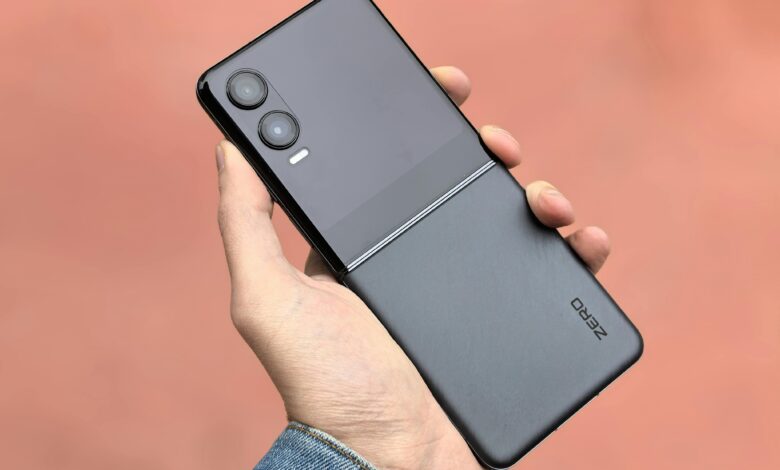
Table of contents
Key Takeaways
- The future of smartphones includes foldable and rollable displays for enhanced multitasking and media experiences.
- AI-powered personalization will improve user interaction and device efficiency, anticipating needs proactively.
- Satellite connectivity will enable communication in remote areas, revolutionizing emergency services and accessibility.
- Eco-friendly designs will utilize recyclable materials and modular components to minimize environmental impact.
- Enhanced privacy features will focus on biometric security and transparent data control, addressing growing cyber threats.
Smartphones have come a long way in just over a decade — from bulky devices with physical keyboards to sleek, powerful machines that fit in our pockets. But what does the future of smartphones look like?
As technology continues to evolve, so does the smartphone. In 2025 and beyond, we’re entering an exciting new era of foldable displays, artificial intelligence, and even mind-blowing features like holograms and brain-computer interfaces. Let’s explore what’s next in the future of smartphones.
1. Foldable and Rollable Displays
Foldable smartphones are no longer science fiction — they’re real and improving fast. Brands like Samsung, Huawei, and Motorola have already launched foldable phones, and more are on the way.
- Foldables offer larger screens without increasing the device size when folded.
- Rollable phones (in development) use flexible screens that extend or retract, allowing the phone to expand when needed.
These devices are ideal for multitasking, gaming, and watching media. As the technology matures, foldables are becoming thinner, more durable, and more affordable — paving the way for mainstream adoption and shaping the future of smartphones.
2. AI-Powered Personalization
Artificial intelligence is playing a central role in how smartphones operate:
- Smart cameras automatically adjust lighting, detect scenes, and enhance photos in real time.
- AI assistants like Google Assistant and Siri are becoming more conversational and context-aware.
- On-device AI will handle more tasks without needing internet access — improving speed, privacy, and battery life.
In the near future, within the realm of smartphones, your phone may anticipate your needs before you even ask, from suggesting replies to composing full emails or editing videos.
3. Satellite Connectivity and Global Reach
With companies like SpaceX and Apple exploring satellite connectivity, smartphones will soon be able to send texts and make calls even in remote areas without cell towers, signifying a transformative future for smartphones.
- This will be a game-changer for people in rural regions, hikers, travelers, and during natural disasters.
- Emergency communication could become faster and more reliable worldwide.
4. Eco-Friendly and Sustainable Designs
As consumers become more environmentally conscious, phone manufacturers are responding with:
- Recyclable materials and reduced use of harmful chemicals.
- Modular designs that allow users to replace or upgrade parts instead of buying new devices.
- Longer software support and repairability to reduce electronic waste.
Sustainability will be a key factor, leading the charge towards a more responsible future of smartphones.
5. Enhanced Privacy and Security Features
As cyber threats grow, privacy is more important than ever. The smartphones of the future will:
- Use biometric security (like facial recognition and fingerprint scanning) that’s faster and more secure.
- Offer AI-based threat detection to warn users of suspicious apps or activity.
- Provide more transparent control over data collection and permissions.
Privacy by design will become a selling point as part of the evolving future of smartphones, not just a feature.
6. Mixed Reality and Holographic Displays
Though still in early development, some companies are working on phones with:
- Holographic displays that project 3D content in the air.
- Mixed reality integration with AR glasses for seamless digital-physical interaction.
- Gesture control and eye-tracking interfaces, reducing the need to touch the screen.
These innovations will blur the line between smartphones and virtual experiences, marking a pivotal point in the future of smartphones.
Conclusion
The smartphone is evolving into something more than just a communication device — it’s becoming a personal assistant, a health tracker, a camera studio, a game console, and even a pocket-sized computer with global reach.
With foldables, AI, satellite tech, and next-gen interfaces, the future of smartphones is not just exciting — it’s transformative. Whether you’re a tech enthusiast or a casual user, the devices we carry in our pockets are about to become smarter, more flexible, and more essential than ever.
Continue your growth journey by exploring our guide: