Smart Homes in 2025: How IoT Is Changing Everyday Life in America
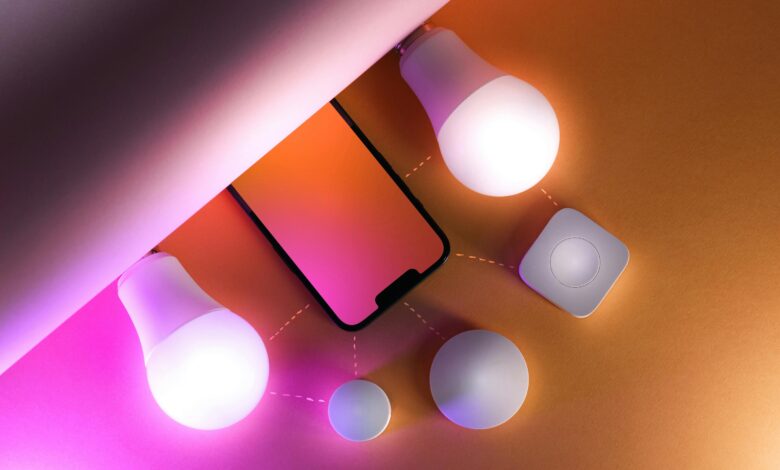
Table of contents
- 1. What Is a Smart Home in 2025?
- 2. Key Benefits of Smart Homes
- 3. Emerging Trends in 2025
- 4. Smart Home Ecosystem in 2025
- 5. Smart Home Use Cases in Daily Life
- 6. Security and Privacy Challenges
- 7. Cost and Accessibility
- 8. Smart Homes and Sustainability
- 9. SEO Perspective: Why This Topic Drives Traffic
- Conclusion
Key Takeaways
- Smart homes 2025 utilize IoT technology to enhance daily living with connected devices that automate tasks and predict needs.
- Key benefits include convenience, enhanced security, energy efficiency, and improved health and wellness.
- Emerging trends focus on interoperability, AI-powered personalization, and presence detection for smarter environments.
- Affordability increases as competition rises, with entry-level smart home setups costing under $200.
- Smart homes contribute to sustainability by reducing waste and prompting behavioral changes through eco-feedback.
The concept of a “smart home” has moved from futuristic fantasy to everyday reality. In 2025, smart homes are a staple, with Internet of Things (IoT) technology no longer limited to tech enthusiasts — it’s deeply embedded in how millions of people live, work, and interact with their surroundings.
From voice-controlled lights to refrigerators that order groceries, smart home devices are reshaping modern living. But beyond convenience, IoT is changing energy efficiency, home security, healthcare, and more.
In this article, we explore how smart homes are evolving in 2025, what new technologies are emerging, and how they’re impacting our lives — for better or worse.
1. What Is a Smart Home in 2025?
A smart home uses a network of connected devices that communicate through the internet to automate and enhance living spaces. These devices gather data, respond to commands, and often learn from your habits.
In 2025, smart homes go beyond turning on the lights — they think, adapt, and even predict your needs using artificial intelligence.
Examples of smart devices include:
- Smart thermostats (like Nest or Ecobee)
- Voice assistants (Amazon Alexa, Google Assistant)
- Smart TVs and entertainment systems
- Wi-Fi-enabled appliances
- AI-powered security cameras and locks
- Leak detectors and smart water meters
2. Key Benefits of Smart Homes
🧠 Convenience and Automation
- Use your voice or phone to control lights, temperature, and appliances.
- Automate daily routines like waking up to your favorite playlist and coffee brewing.
🔐 Enhanced Security
- Smart cameras, doorbell cameras (e.g., Ring), and motion detectors provide real-time surveillance.
- Facial recognition and remote monitoring add layers of safety.
💡 Energy Efficiency
- Smart thermostats adjust heating/cooling based on your behavior.
- Smart plugs and lighting reduce waste and electricity bills.
🩺 Health and Wellness
- Sleep trackers, air quality monitors, and smart beds help optimize well-being.
- Smart kitchen appliances promote healthier eating by tracking ingredients and recommending recipes.
3. Emerging Trends in 2025
🔄 Interoperability Across Devices
In the past, devices from different brands didn’t communicate well. In 2025, standards like Matter (backed by Apple, Amazon, Google, and others) allow seamless integration between devices.
One voice assistant can now control your lights, security, and vacuum — even from different brands.
🧠 AI-Powered Personalization
Smart homes now learn your preferences and adjust accordingly. For example:
- Lights dim when you start watching Netflix
- Thermostat adjusts automatically when you’re out
- Your fridge suggests meals based on what’s inside
🧍 Presence Detection and Context Awareness
Sensors can detect where you are and adjust your environment:
- Lights follow you from room to room
- Music plays in the background as you move
- Security systems know when you’re home or away
4. Smart Home Ecosystem in 2025
🏡 Voice Assistants as Central Hubs
Devices like Amazon Echo, Google Nest Hub, or Apple HomePod serve as control centers for the smart home, handling everything from voice commands to automated routines.
📱 Smartphone + Wearables Integration
- Use your smartwatch to unlock doors or turn off lights
- Smart rings and fitness trackers sync with your home to optimize lighting or adjust climate based on activity
☁️ Cloud and Edge Computing
- Cloud-based systems manage data and software updates
- Edge devices handle sensitive actions locally for privacy and speed
5. Smart Home Use Cases in Daily Life
☀️ Morning Routine
- Wake-up lights simulate sunrise
- Coffee maker turns on at 7:00 a.m.
- Bathroom mirror displays weather and calendar
🏃 Away from Home
- Motion sensors detect any unusual activity
- You receive alerts and can view live video remotely
- Smart blinds close to keep the house cool
🌙 Nighttime Mode
- Lights dim or switch off automatically
- Security system arms itself
- Bedroom temperature adjusts for better sleep
6. Security and Privacy Challenges
While smart homes offer incredible benefits, they also come with risks:
🛡 Cybersecurity
- Unsecured devices can be hacked
- Always change default passwords and keep firmware updated
- Use network segmentation for IoT devices
🔒 Data Privacy
- Smart devices collect vast amounts of personal data
- Make sure to check data-sharing policies of your devices
- Prefer devices with local processing or privacy-focused brands
7. Cost and Accessibility
Smart homes are becoming more affordable in 2025, thanks to competition and mass production. Entry-level setups (smart lights, plugs, and speakers) cost under $200, while high-end systems with sensors and cameras can reach $5,000+.
Subscription-free options are gaining popularity as users push back against monthly fees.
8. Smart Homes and Sustainability
Smart homes also contribute to environmental sustainability:
- Reduce water waste with smart irrigation
- Lower power consumption through automation
- Encourage behavioral change through usage tracking and eco-feedback
Some smart home platforms offer carbon footprint dashboards and gamified goals for eco-conscious users.
9. SEO Perspective: Why This Topic Drives Traffic
Keywords like:
- “Best smart home devices 2025”
- “IoT in smart homes”
- “Home automation trends”
…are high-volume search terms.
📌 SEO Tips:
- Use listicles (e.g., “Top 10 smart devices”)
- Optimize alt text: “Person using smartphone in smart home environment”
- Link internally to IoT, AI, and tech setup guides
This topic is perfect for affiliate blogs, tech tutorials, home improvement blogs, and review websites.
Conclusion
In 2025, smart homes are no longer futuristic concepts — they’re an evolving part of daily life. From making your home safer to saving energy and time, IoT is changing how we interact with our spaces.
As AI, edge computing, and interoperability improve, expect your home to become more intuitive, responsive, and personalized than ever before.
Whether you’re just starting with a smart bulb or planning a fully automated setup, now is the perfect time to explore what smart home living can do for you.
Continue your growth journey by exploring our guide: