The 2026 Master Guide to Meal Planning: Fuel Your Healthy Lifestyle with Precision and Ease
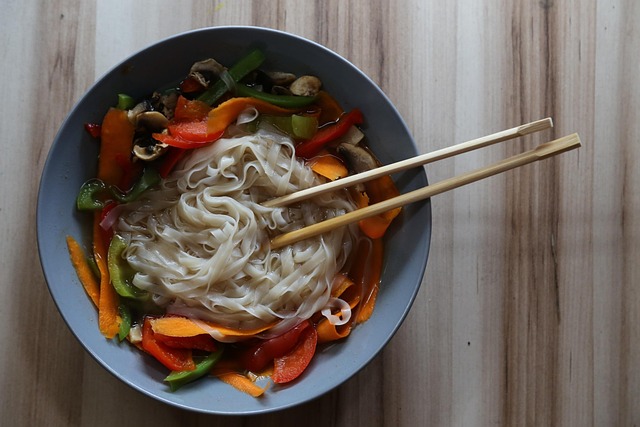
Table of contents
- I. Why Meal Planning is Essential in 2026
- II. The Anatomy of a Perfect Meal: The 2026 Plate
- III. Step-by-Step: How to Plan Like a Pro
- IV. Overcoming the “Time” Barrier: 2026 Tools
- V. Strategic Shopping: Navigating the Grocery Store
- VI. Meal Planning for Specific Goals
- VII. Common Pitfalls and How to Avoid Them
- VIII. Sustainability: Meal Planning for the Planet
- Conclusion: Investing in Your Future Self
Key Takeaways
- Meal planning addresses the main hurdle to health in 2026: preparation. It combats decision fatigue and ensures optimal nutrition.
- Key advantages of healthy meal planning include metabolic consistency, economic efficiency, and reduced stress from meal decisions.
- The 2026 Plate model emphasizes filling half your plate with non-starchy vegetables, 25% with protein, and 25% with smart carbs and healthy fats.
- Utilize strategies like the ‘Kitchen Audit’ and ‘Theme Night’ to simplify meal prep, alongside tools like smart appliances and AI recipe generators.
- Focus on sustainability by adopting seasonal eating and waste management practices to benefit both personal health and the planet.
Editorial Note: Meal planning is the bridge between wanting to be healthy and actually being healthy. This 1400-word guide provides a systematic approach to nutrition, focusing on sustainability, bio-individual needs, and time management. Last updated: February 2026.
In the fast-paced environment of 2026, the biggest obstacle to a healthy diet isn’t a lack of information—it’s a lack of preparation. When you are tired after a 9-hour workday, your brain naturally defaults to the easiest option, which is often ultra-processed convenience food.
Meal planning is the ultimate “life hack” that removes decision fatigue from your diet. By spending just two hours a week planning and prepping, you can ensure that your body receives the optimal nutrients it needs to perform at its peak.
I. Why Meal Planning is Essential in 2026
Beyond just “eating better,” meal planning offers three critical advantages:
- Metabolic Consistency: Avoiding the blood sugar spikes and crashes that come with impulsive eating.
- Economic Efficiency: Reducing food waste and “panic buying” at the grocery store.
- Cortisol Reduction: Eliminating the daily stress of “What’s for dinner?”
II. The Anatomy of a Perfect Meal: The 2026 Plate
Before you plan, you must understand the “Functional Plate” model. In 2026, we move away from complex calorie counting toward Volume and Nutrient Density.
1. The 50% Rule: Non-Starchy Vegetables
Fill half your plate with greens, peppers, broccoli, or cabbage. These provide the fiber necessary for the “Internal Broom” effect we discussed in our Detox Myths vs Facts guide.
2. The Protein Anchor (25%)
Protein is the most satiating macronutrient. Whether you choose plant-based (lentils, tempeh) or animal-based (wild-caught fish, grass-fed beef), aim for 30g per meal to stimulate muscle protein synthesis.
3. Smart Carbs and Healthy Fats (25%)
Use complex carbohydrates like quinoa, sweet potatoes, or berries for sustained energy. Complement them with healthy fats (avocado, olive oil) to support brain health and hormone production.
III. Step-by-Step: How to Plan Like a Pro
Step 1: The “Kitchen Audit”
Before shopping, look at what you already have. Build your meals around the grains or frozen vegetables that are already in your pantry.
Step 2: The “Theme Night” Strategy
To reduce mental load, assign themes to days:
- Monday: Plant-based (Meatless Monday).
- Tuesday: Mexican (Tacos/Bowls).
- Wednesday: Mediterranean (Salads/Fish).
- Thursday: Stir-fry (Using up leftover veggies).
Step 3: Batch Cooking vs. Component Prepping
In 2026, Component Prepping is the preferred method for many. Instead of cooking full meals, you prep ingredients:
- Cook a large batch of grains.
- Roast three types of vegetables.
- Grill two types of protein.
- Mix two versatile sauces.
- The Result: You can mix and match these components in 5 minutes to create different meals every day.
IV. Overcoming the “Time” Barrier: 2026 Tools
Technology has made meal planning easier than ever:
- Smart Appliances: Air fryers and multi-cookers have revolutionized the speed of healthy cooking.
- AI Recipe Generators: Tools like Mealime or ChatGPT can generate a grocery list based on your dietary preferences and what’s on sale.
- Grocery Delivery: Save time and avoid impulse buys by ordering your pre-planned list for delivery.
V. Strategic Shopping: Navigating the Grocery Store
The grocery store is designed to make you spend more and eat worse.
- Shop the Perimeter: Fresh produce, meats, and dairy are usually on the outside edges. The middle aisles contain the ultra-processed items.
- Never Shop Hungry: Research shows that hungry shoppers buy significantly more high-calorie, low-nutrient foods.
- Read Labels in 2026: Look for “Total Added Sugars” and avoid anything with a list of ingredients you can’t pronounce.
VI. Meal Planning for Specific Goals
1. For Weight Loss
Focus on High-Volume, Low-Calorie foods. Soups and large salads allow you to eat a large quantity of food while maintaining a caloric deficit.
2. For Muscle Gain
Focus on Caloric Surplus and Timing. Ensure you have a protein-and-carb-rich meal prepped for post-workout recovery.
3. For Longevity and Brain Health
Integrate the MIND Diet principles—heavy on leafy greens, berries, nuts, and olive oil.
VII. Common Pitfalls and How to Avoid Them
- Over-complicating: Don’t try to cook a 5-star meal every night. Simple is sustainable.
- Lack of Variety: If you eat the same chicken and broccoli every day, you will eventually rebel and order pizza. Use spices and sauces to change the flavor profiles.
- The “All-or-Nothing” Mentality: If you miss a planned meal, don’t throw away the whole week. Just get back on track with the next meal.
VIII. Sustainability: Meal Planning for the Planet
In 2026, a healthy lifestyle also means a healthy planet.
- Seasonal Eating: Buying what’s in season is cheaper, tastier, and has a lower carbon footprint.
- Waste Management: Use your vegetable scraps to make broth. Freeze fruits that are about to turn for future smoothies.
Conclusion: Investing in Your Future Self
Meal planning is an act of self-love. It is a gift that your “Sunday Self” gives to your “Busy Wednesday Self.” It ensures that your nutrition is a priority, not an afterthought.
By taking control of your food, you are taking control of your energy, your mood, and your long-term health. Start small: plan just three dinners for next week, and watch how it transforms your relationship with food.
Continue your growth journey by exploring our guide: