How to Create a Personal Development Plan That Actually Works”
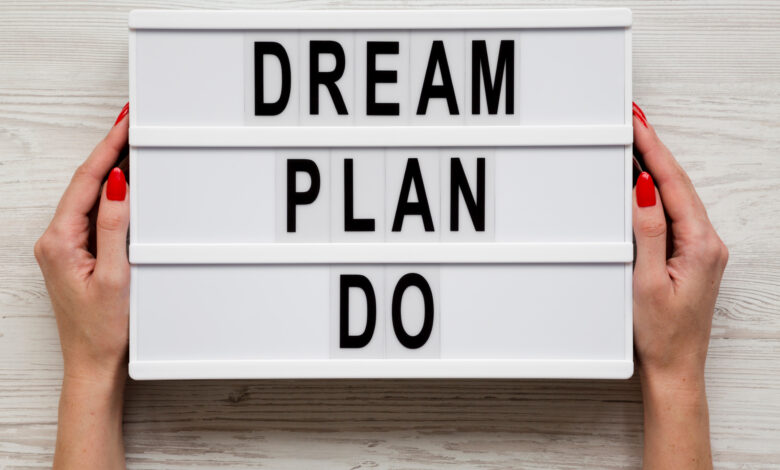
Table of contents
Key Takeaways
- A Personal Development Plan (PDP) helps you set structured goals and align your actions with your values.
- Creating a PDP involves self-assessment, defining your vision, and setting SMART goals.
- The PDP process encourages clarity, commitment, and motivation for personal growth.
- Tracking your progress and celebrating small wins are crucial for maintaining momentum.
- Tools like Notion, Google Calendar, and journaling apps can help you organize and track your PDP effectively.
🧭 Why You Need a Personal Development Plan
Do you ever feel like you’re drifting through life without clear direction?
Maybe you have big dreams but no structured way to achieve them.
That’s where a Personal Development Plan (PDP) comes in.
It’s not just a productivity tool—it’s a roadmap to becoming the best version of yourself. It helps you align your goals, actions, and values so your growth is intentional, not accidental.
Without a plan, you’re reacting. With a plan, you’re creating.
💡 What Is a Personal Development Plan?
A Personal Development Plan is a structured framework for self-growth that includes:
- Your current strengths and weaknesses
- Specific long-term and short-term goals
- Action steps to achieve those goals
- A timeline and system to track progress
- Reflection to adjust and improve over time
Think of it as your GPS for personal growth—it shows where you are, where you want to go, and how to get there.
🧠 The Psychology Behind Why It Works
People who set written goals are 42% more likely to achieve them.
A PDP taps into three psychological principles:
- Clarity – Reduces mental clutter and boosts focus
- Commitment – Increases accountability and follow-through
- Motivation – Keeps you driven by tracking small wins
It helps bridge the gap between intention and action.
✅ Step-by-Step Guide to Creating a Personal Development Plan
Step 1: Conduct a Self-Assessment
Before planning where you want to go, understand where you are now.
Ask yourself:
- What are my biggest strengths?
- What areas do I want to improve?
- What activities energize or drain me?
- What values are most important to me?
Tools like SWOT analysis (Strengths, Weaknesses, Opportunities, Threats) can help organize your thoughts.
📝 Tip: Be brutally honest—but also compassionate.
Step 2: Define Your Vision
Where do you see yourself in 1, 3, or 5 years?
This isn’t just about career—it includes:
- Health and fitness
- Relationships
- Mental and emotional well-being
- Skills and knowledge
- Financial freedom
- Lifestyle design
Your vision should be motivating, inspiring, and specific. The clearer it is, the easier it will be to reverse-engineer.
Step 3: Set SMART Goals
SMART stands for:
- Specific – Clear and defined
- Measurable – Can you track it?
- Achievable – Realistic with your resources
- Relevant – Aligned with your values and vision
- Time-bound – Set a deadline
Example:
❌ “Get better at public speaking”
✅ “Deliver one 10-minute presentation each month for the next 6 months”
Step 4: Break Goals into Actionable Steps
Every big goal needs to be broken into micro-steps. This makes it less overwhelming and more doable.
Example:
- Goal: Launch a podcast
- Steps:
- Choose a topic and audience
- Research 10 competitors
- Write first 3 scripts
- Record pilot episode
- Launch and promote
Use a task management app or journal to track these steps.
Step 5: Create a Realistic Timeline
Your goals should stretch you—but not break you.
Avoid overloading your calendar. Leave space for:
- Rest and recovery
- Unexpected events
- Time to reflect
🧠 Remember: Consistency beats intensity.
Step 6: Identify Potential Obstacles
Ask yourself:
- What might get in the way?
- How have I self-sabotaged in the past?
- What habits could delay my progress?
Then plan how to overcome them:
- Set boundaries
- Use habit-tracking tools
- Create accountability through friends or mentors
Step 7: Track Your Progress Weekly
Reflection is where the real growth happens.
Each week or month, review:
- What did I accomplish?
- What challenged me?
- What can I improve?
Use a scorecard or journal to document your wins and insights. Adjust your plan as needed.
Step 8: Celebrate Small Wins
Progress fuels motivation.
Reward yourself for milestones—no matter how small.
- Finished a book? Treat yourself to a nice coffee.
- Hit your fitness goal? Take a wellness day.
- Stayed consistent for 30 days? Reflect and journal your growth.
Gratitude and celebration build momentum.
🛠 Tools to Help You Build Your Plan
- Notion or Trello – Great for organizing goals and timelines
- Google Calendar – For time-blocking and scheduling habits
- Reflectly or Day One – Journaling and progress tracking
- Habitica – Turns habit-building into a fun game
- Mind mapping tools – Visualize your vision and goals
Choose what works for you—your PDP should feel inspiring, not exhausting.
💬 Quotes to Keep You Inspired
“A goal without a plan is just a wish.” – Antoine de Saint-Exupéry
“What gets measured gets managed.” – Peter Drucker
“Discipline is choosing between what you want now and what you want most.” – Abraham Lincoln
✅ Final Thoughts
A personal development plan isn’t just about productivity—it’s about purpose.
It’s your blueprint for becoming who you’re meant to be, step by step, day by day.
So don’t just dream.
Design. Plan. Execute. Reflect. Evolve.
Your future is waiting—and now, you have a map.
Continue your growth journey by exploring our guide: