Table of contents
- 1. The Anatomy of Worth: Self-Worth vs. Self-Esteem
- 2. The Dopamine Trap: Why We Are Addicted to “Approval”
- 3. The “Productivity Fallacy”: You Are Not Your Output
- 4. The Metrics of Inner Sovereignty
- 5. The Role of Self-Compassion in Resilience
- 6. Healing the “Original Wound”: Inner Child Work
- 7. Digital Hygiene: Protecting the Internal Fortress
- 8. The Power of “No” as a Worth-Building Tool
- 9. Radical Authenticity: The End of “Masking”
- 10. Daily Rituals for Worth-Maintenance
- 11. Overcoming “Achievement Dysmorphia”
- 12. Conclusion: Coming Home to Yourself
Key Takeaways
- In a world driven by external validation, many struggle with self-worth and the ‘Validation Crisis.’
- Understand the difference between self-worth and self-esteem; self-worth is intrinsic and unchangeable, while self-esteem fluctuates.
- To build self-worth, practice internal metrics, self-compassion, and set healthy boundaries through the power of ‘No.’
- Daily rituals like mirror work and values journaling help maintain self-worth over time.
- Ultimately, unbreakable self-worth comes from recognizing your inherent value and rejecting societal pressures.
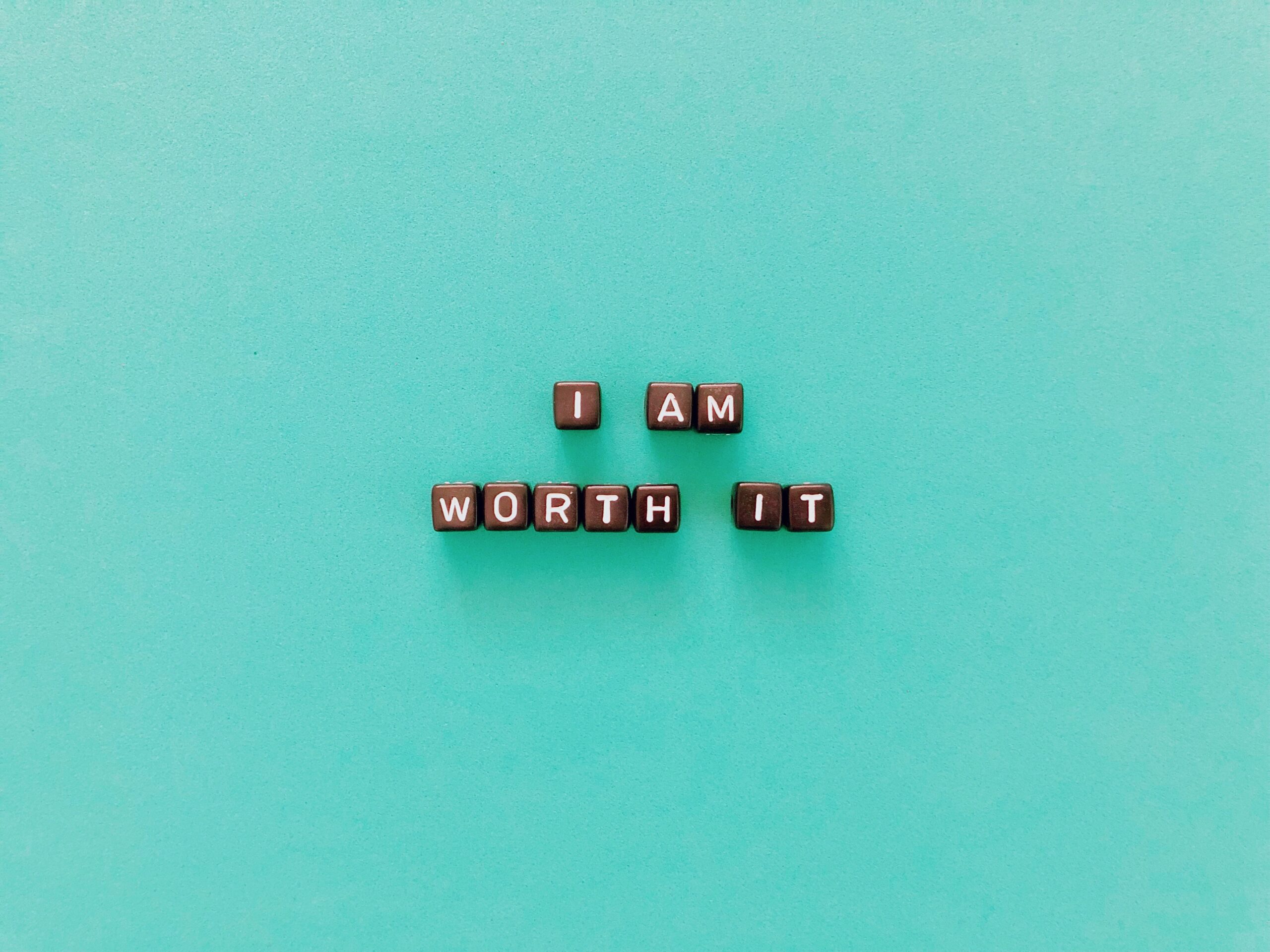
In the hyper-connected American society of 2026, we are living through a “Validation Crisis.” With every aspect of our lives—from our morning coffee to our career milestones—quantified by likes, shares, and algorithmic feedback, the human psyche has become dangerously tethered to external approval. When the “likes” stop, or the career trajectory plateaus, many find themselves facing a hollow core: a total lack of Self-Worth.
True self-worth is the “Internal Fortress” of the soul. It is the silent, steady conviction that you possess inherent value that cannot be granted by a promotion, nor taken away by a critic. This 1400-word blueprint explores the neurobiology of validation, the fallacies of external metrics, and the strategic path to reclaiming your identity from the outside world.
1. The Anatomy of Worth: Self-Worth vs. Self-Esteem
To build a fortress, we must first understand the materials. In 2026, psychologists emphasize the critical distinction between these often-confused terms:
- Self-Esteem: A performance-based metric. It fluctuates based on your competence, appearance, and social standing. It is “What I can do.”
- Self-Confidence: A belief in your skills and abilities. It is “What I know.”
- Self-Worth: An existential constant. It is the belief that your life has meaning regardless of your output. It is “Who I am.”
As noted by the American Psychological Association (APA), relying solely on self-esteem can lead to a “fragile ego” that shatters under the first sign of failure. Self-worth, however, acts as the shock absorber of the human experience.
2. The Dopamine Trap: Why We Are Addicted to “Approval”
In 2026, the battle for your self-worth is being fought by algorithms. Every notification on platforms like Instagram or LinkedIn triggers a release of dopamine in the brain’s reward center.
Over time, this creates a “Validation Loop.” We begin to outsource our sense of “being okay” to the collective opinion of strangers. This external dependency is what The Mayo Clinic identifies as a primary driver of modern anxiety and depression in young American adults.
3. The “Productivity Fallacy”: You Are Not Your Output
The “American Hustle Culture” of the past decade taught us that our value is equal to our GDP. In 2026, as AI automates many traditional “value-adding” tasks, this mindset is leading to a massive identity crisis.
If you define your worth by your job title or your salary at a firm like Goldman Sachs or Google, you are building your house on shifting sand. Unbreakable self-worth requires a “Decoupling Strategy”: intentionally separating your human identity from your professional utility.
4. The Metrics of Inner Sovereignty
To stop seeking external validation, you must replace it with Internal Metrics. In 2026, high-performance coaching focuses on “Value-Alignment” rather than “Goal-Achievement.”
Shift your questions:
- External: “Did they like my presentation?” $\rightarrow$ Internal: “Did I communicate my truth with integrity?”
- External: “Am I the best in the room?” $\rightarrow$ Internal: “Did I show up with curiosity and a growth mindset?”
5. The Role of Self-Compassion in Resilience
Dr. Kristin Neff’s pioneering research on Self-Compassion is the cornerstone of building self-worth in 2026. Unlike self-esteem, which requires you to be “better than average,” self-compassion only requires you to be “kindly aware.”
The Three Components of Self-Compassion:
- Self-Kindness: Treating yourself as you would a dear friend in pain.
- Common Humanity: Recognizing that suffering and imperfection are part of the shared human experience.
- Mindfulness: Observing your “Not enough” thoughts without letting them define you.
6. Healing the “Original Wound”: Inner Child Work
Many Americans struggling with self-worth in 2026 are actually dealing with “Conditional Worth” patterns established in childhood. If you were only praised when you got straight A’s or won the game, your brain learned that “Love = Performance.”
Healing this requires Reparenting. This involves acknowledging the “Younger You” and providing the unconditional validation you lacked. Clinical resources from Psychology Today suggest that consistent inner-child work can significantly reduce the need for adult “people-pleasing” behaviors.
7. Digital Hygiene: Protecting the Internal Fortress
In 2026, you cannot maintain self-worth while consuming 6 hours of “perfection” daily.
- The Unfollow Rule: If an account makes you feel “less than,” unfollow it immediately.
- Comparison Detox: Spend 24 hours a week completely offline to reconnect with your own voice.
- Algorithmic Awareness: Remember that social media feeds are engineered to exploit your insecurities for profit.
8. The Power of “No” as a Worth-Building Tool
In the U.S. corporate and social landscape, “No” is often viewed as a negative. In reality, “No” is the boundary that protects your worth.
- Saying “No” to an unreasonable work request at Amazon or Microsoft is an act of self-respect.
- Saying “No” to a toxic relationship is an investment in your mental health.Every time you set a boundary, you send a signal to your subconscious: “I am worth protecting.”
9. Radical Authenticity: The End of “Masking”
Success in 2026 is moving toward Authenticity. People-pleasing—the act of “masking” your true self to gain approval—is exhausting and erodes self-worth.
When you stop performing, you will inevitably lose the approval of some. However, the approval you gain from yourself will be unbreakable. As Brené Brown notes in The Gifts of Imperfection, “Belonging starts with self-acceptance. Your level of belonging, in fact, can never be greater than your level of self-acceptance.”
10. Daily Rituals for Worth-Maintenance
Building worth is like physical fitness; it requires daily reps.
- Mirror Work: Look yourself in the eye and acknowledge your existence without judgment.
- Values Journaling: Use Notion to track moments where you acted in alignment with your values, regardless of the outcome.
- Affirmation Anchoring: Use phrases like “My worth is inherent and non-negotiable” during periods of high stress.
11. Overcoming “Achievement Dysmorphia”
Many high-achievers in America suffer from Achievement Dysmorphia—the inability to see their own success as “enough.” They hit a goal and immediately move the goalposts.
To build self-worth, you must learn to “Savor the Process.” Celebrate the effort, the learning, and the mere act of showing up. Success is a byproduct; you are the source.
12. Conclusion: Coming Home to Yourself
In a world that profits from your insecurity, liking yourself is an act of rebellion. Building unbreakable self-worth in 2026 isn’t about becoming “better”; it’s about realizing that you were already whole to begin with.
Stop asking the world if you are allowed to be here. Stop waiting for the “likes” to tell you that you matter. The fortress is already within you. All you have to do is step inside and close the door on the noise.
Continue your growth journey by exploring our guide:
- Simple Daily Stretching Routine to Reduce Back Pain
- The Science of Habit Formation: How to Build Habits That Stick
- How to Stay Motivated on Your Fitness Journey