Table of contents
- Introduction: A New Kind of Relationship
- What Are AI Companions?
- Why AI Companions Are Gaining Popularity in America
- How AI Companions Actually Work
- AI Companions vs Human Relationships
- Ethical Concerns and Psychological Risks
- AI Companions in Key Industries
- Will AI Companions Become Mainstream by 2030?
- Conclusion: Friends, Tools, or Something In Between?
Key Takeaways
- AI companions are emerging as emotional partners, evolving from tools to entities that can simulate empathy and connection.
- Their rising popularity stems from increasing loneliness, advancements in generative AI, and the need for accessible mental health support.
- AI companions utilize technologies like natural language processing, machine learning, and emotional modeling to enhance user interaction.
- Despite their benefits, AI companions raise ethical concerns about emotional dependency, data privacy, and potential manipulation.
- By 2030, experts predict these companions will become mainstream, but social acceptance will require transparency and ethical design.
Introduction: A New Kind of Relationship
In 2025, artificial intelligence is no longer just a tool we use — it’s increasingly becoming something we interact with emotionally. From voice assistants that remember our preferences to AI chatbots that offer companionship, the idea of AI companions is moving rapidly from science fiction into everyday reality. By 2030, AI companions are expected to be even more integrated into our lives.
The big question now isn’t if AI companions will become common — it’s how deeply they will integrate into our lives. By 2030, could robots and AI-powered virtual beings become trusted friends, emotional supporters, or even family members?
This article explores the future of AI companions, how they work, why they’re gaining popularity in the United States, and whether humans are truly ready to form emotional bonds with machines.
What Are AI Companions?
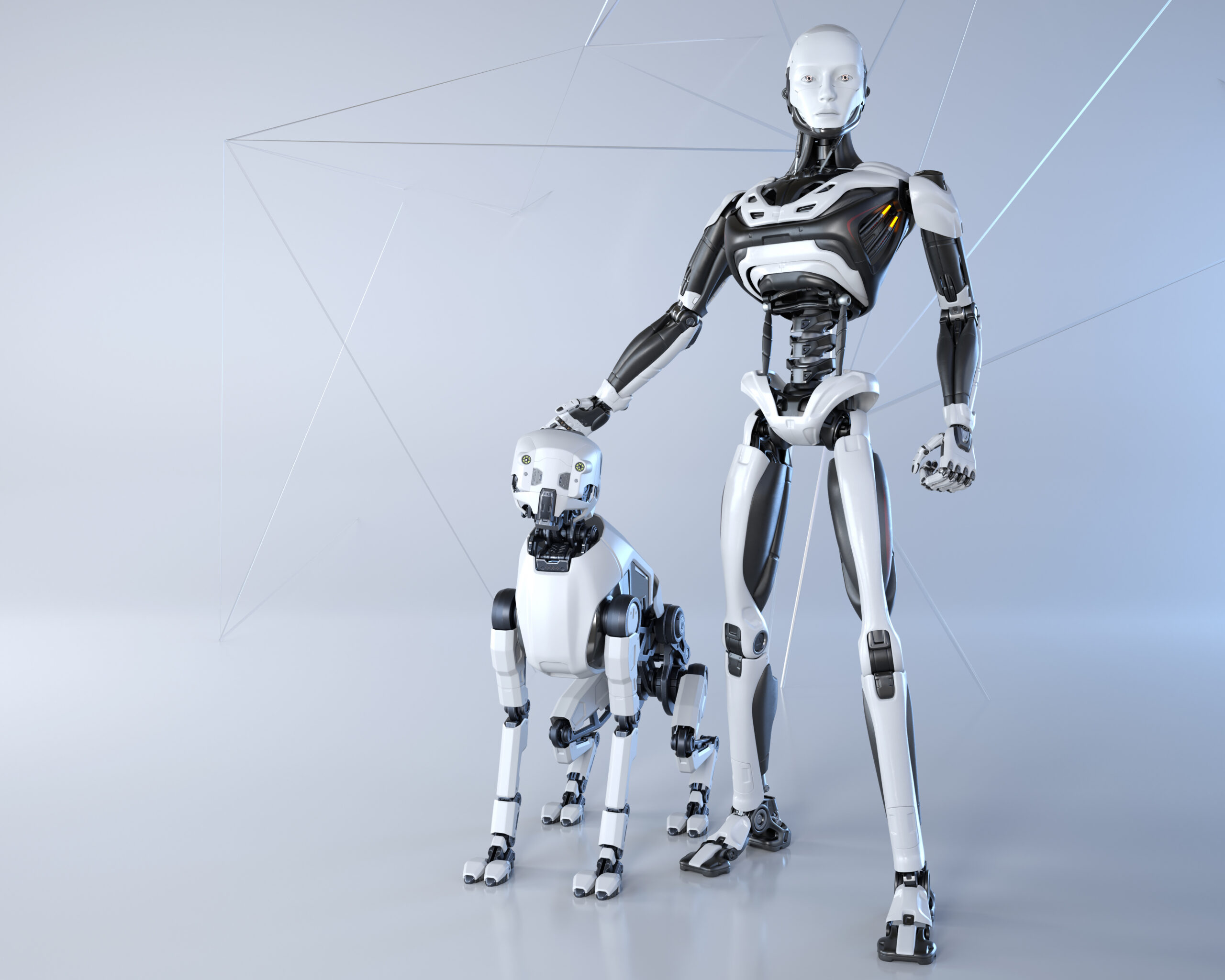
AI companions are software-based or physical AI systems designed to interact with humans on a personal, emotional, and conversational level. Unlike traditional AI tools focused on productivity, AI companions aim to simulate empathy, personality, and continuity.
They can exist in several forms:
- Voice-based assistants with memory and personality
- Chat-based companions on mobile apps
- Virtual avatars in AR/VR environments
- Physical humanoid or pet-like robots
Examples already in use include AI chat companions, social robots for elderly care, and AI-driven virtual friends for mental wellness support.
Why AI Companions Are Gaining Popularity in America
Several social and technological trends in the U.S. are accelerating the adoption of AI companions:
1. Rising Loneliness Levels
According to a 2023 U.S. Surgeon General report, loneliness has reached epidemic levels in America. Remote work, digital lifestyles, and social fragmentation have left many people seeking connection.
🔗 External source:
https://www.hhs.gov/surgeongeneral/priorities/connection/index.html
AI companions offer judgment-free interaction, constant availability, and emotional responsiveness.
2. Advances in Generative AI
Modern AI models can:
- Maintain long-term memory
- Adapt tone and personality
- Understand emotional context
- Respond conversationally in natural language
These improvements make AI interactions feel far more human-like than ever before.
🔗 External source:
https://openai.com/research
3. Mental Health Accessibility
AI companions are increasingly used as:
- Emotional check-in tools
- Stress and anxiety support systems
- CBT-style conversational assistants
They don’t replace therapists — but they provide 24/7 support, especially for people who can’t afford or access traditional mental healthcare.
🔗 External source:
https://www.apa.org/monitor/2023/07/ai-mental-health
How AI Companions Actually Work
Behind the scenes, AI companions rely on several core technologies:
Natural Language Processing (NLP)
Allows the AI to understand and respond to human language naturally.
Machine Learning & Memory Systems
Enable companions to remember past conversations, preferences, and emotional patterns.
Emotional Modeling
Some systems analyze tone, word choice, and interaction patterns to simulate empathy and emotional awareness.
Multimodal Interaction
Advanced companions can combine:
- Text
- Voice
- Facial expressions (avatars)
- Gestures (robots)
Together, these systems create the illusion of relationship continuity — a key factor in emotional bonding.
AI Companions vs Human Relationships
AI companions are not meant to replace human relationships — but they do challenge traditional definitions of connection.
What AI Companions Can Do Well:
- Listen without judgment
- Be available 24/7
- Offer consistent emotional responses
- Adapt to user preferences
- Provide companionship without social pressure
What They Cannot Replace:
- Genuine human empathy
- Physical presence and shared experiences
- Moral responsibility
- True emotional reciprocity
The concern among experts is not that people will prefer AI over humans — but that some may withdraw from real relationships if AI feels easier.
Ethical Concerns and Psychological Risks
1. Emotional Dependency
If users rely too heavily on AI companions, it could reduce motivation to build real human connections.
🔗 External source:
https://www.brookings.edu/articles/ai-and-emotional-dependence/
2. Data Privacy
AI companions often store deeply personal conversations. This raises concerns about:
- Data ownership
- Emotional profiling
- Behavioral manipulation
Users must understand who controls the data and how it’s used.
🔗 External source:
https://www.eff.org/issues/ai
3. Manipulation and Monetization
An AI companion designed by a corporation could subtly:
- Promote products
- Influence opinions
- Shape emotional behavior
This blurs the line between companionship and commercial influence.
AI Companions in Key Industries
Healthcare & Elder Care
AI robots assist elderly individuals by:
- Providing conversation
- Reminding medication schedules
- Monitoring emotional well-being
This is especially relevant as America’s population ages.
🔗 External source:
https://www.nia.nih.gov/news/artificial-intelligence-aging
Education
AI companions can:
- Tutor students one-on-one
- Adapt learning styles
- Provide motivation and encouragement
Entertainment & Gaming
Virtual AI characters with evolving personalities are becoming core elements in modern gaming and metaverse platforms.
Will AI Companions Become Mainstream by 2030?
Most experts agree: Yes — but with limits.
By 2030, we can expect:
- AI companions integrated into smartphones and wearables
- More realistic voices and emotional modeling
- Stronger regulations around AI ethics and data
- Hybrid human-AI social environments
However, social acceptance will depend on transparency, trust, and ethical design.
Conclusion: Friends, Tools, or Something In Between?
AI companions represent one of the most emotionally complex frontiers of technology. They are not just software — they are interfaces to human emotion.
Whether they become best friends, supportive tools, or controversial technologies will depend on how responsibly they are built and used.
One thing is certain: by 2030, the question won’t be “Can AI be a companion?”
It will be “What kind of companion do we want it to be?”
Continue your growth journey by exploring our guide:
- The Ethics of AI: Balancing Innovation and Responsibility in 2025
- The Impact of AI on the Future of Jobs: What to Expect by 2030
- Top AI Tools You Should Be Using in 2025
- Tech Careers in High Demand in 2025: Skills, Roles, and Salaries
-

-

-

-

-

-