Table of contents
- Why Emotional Resilience Matters More Than Ever
- What Emotional Resilience Is (And Isn’t)
- The Science Behind Resilience and the Brain
- How to Build Emotional Resilience Step by Step
- 1) Normalize Emotional Discomfort
- 2) Build Emotional Awareness
- 3) Reframe Challenges Without Lying to Yourself
- 4) Strengthen Your Stress Recovery Habits
- 5) Build a “Support System,” Not a Lone-Wolf Identity
- 6) Focus on What You Can Control
- 7) Create Meaning From Difficulty
- 8) Build Resilience Through Daily Micro-Practices
- A 10-Day Emotional Resilience Reset
Key Takeaways
- Emotional resilience helps individuals adapt to stress and adversity, distinguishing them from those who collapse under pressure.
- It involves recovering from setbacks, emotional flexibility, and learning from difficulties, while not equating to toxic positivity or emotional suppression.
- Building emotional resilience requires normalizing discomfort, enhancing emotional awareness, and reframing challenges accurately.
- Support systems and daily micro-practices are crucial for developing resilience over time.
- To foster resilience, individuals can follow a 10-day reset that includes naming emotions, reducing stressors, and practicing self-respect.
Why Emotional Resilience Matters More Than Ever
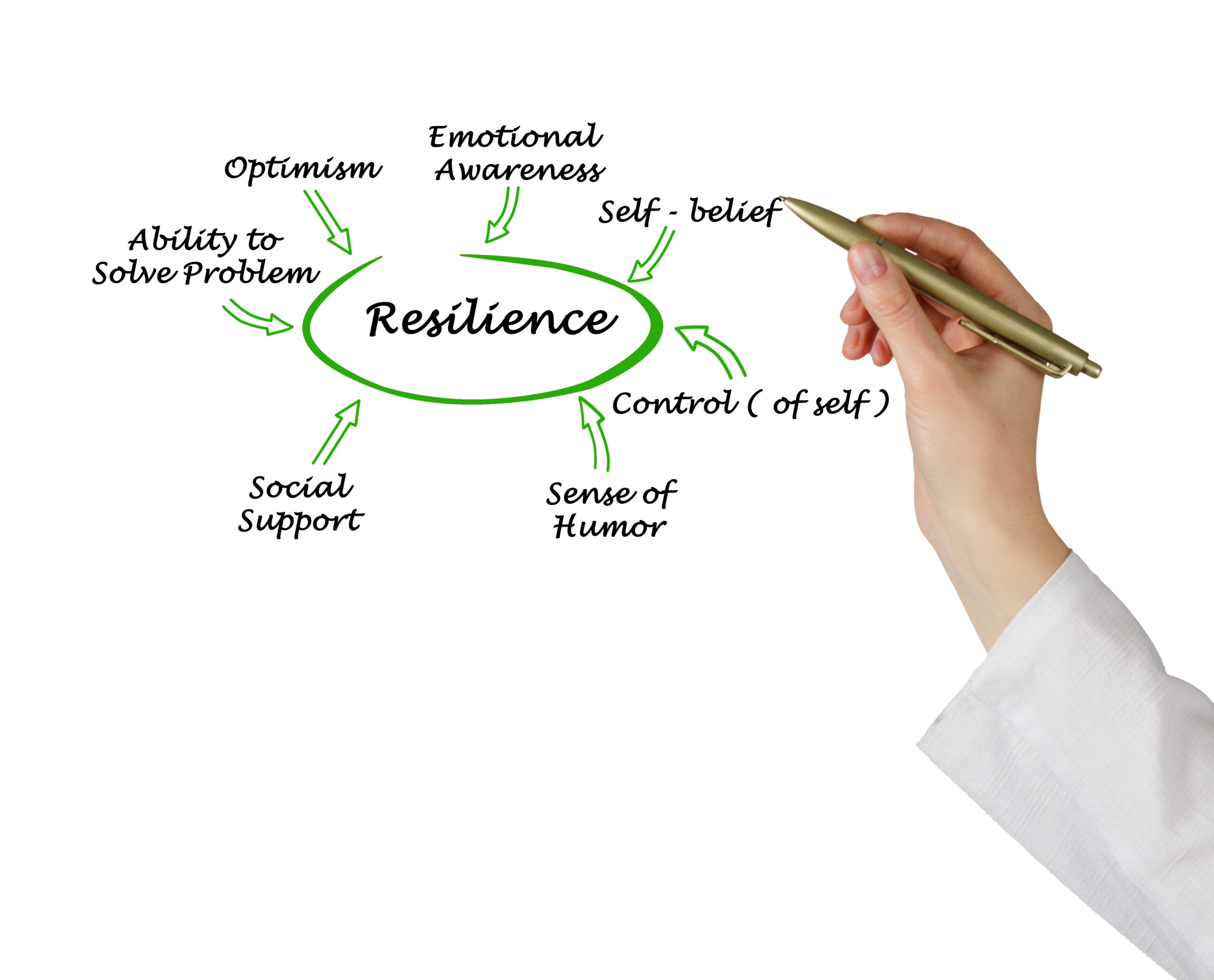
Life doesn’t move in straight lines. Careers stall, relationships strain, plans fall apart, and unexpected challenges show up without warning. The difference between people who collapse under pressure and those who adapt isn’t luck—it’s emotional resilience.
According to Psychology Today, emotional resilience is the ability to adapt to stress, adversity, and change while maintaining psychological well-being.
👉 https://www.psychologytoday.com/us/basics/resilience
Resilient people still feel pain, fear, and disappointment—but they don’t stay stuck there.
What Emotional Resilience Is (And Isn’t)
Emotional resilience is:
- The ability to recover after setbacks
- Emotional flexibility under stress
- Staying grounded during uncertainty
- Learning from difficulty
Emotional resilience is NOT:
- Toxic positivity
- Emotional suppression
- Ignoring pain
- “Being strong” all the time
The American Psychological Association emphasizes that resilience involves acknowledging emotions—not denying them.
👉 https://www.apa.org/topics/resilience
The Science Behind Resilience and the Brain
Resilience is supported by:
- The prefrontal cortex (decision-making and regulation)
- The amygdala (emotional response)
- The nervous system (stress regulation)
Practices like cognitive reframing, mindfulness, and social support strengthen these systems over time. Resilience isn’t genetic destiny—it’s trainable.
How to Build Emotional Resilience Step by Step
1) Normalize Emotional Discomfort
Pain doesn’t mean something is wrong with you—it means you’re human.
Instead of asking:
- “Why am I like this?”
Ask: - “What is this feeling trying to tell me?”
This shift reduces shame and increases emotional intelligence.
2) Build Emotional Awareness
You can’t regulate what you don’t recognize.
Try naming emotions precisely:
- Not just “bad,” but “disappointed,” “overwhelmed,” or “grieving”
Research cited by Harvard Health shows that labeling emotions reduces emotional intensity and improves regulation.
👉 https://www.health.harvard.edu/mind-and-mood/labeling-emotions
3) Reframe Challenges Without Lying to Yourself
Resilience grows when you reframe reality accurately, not optimistically.
Examples:
- “This is hard” (true)
- “This will ruin everything” (assumption)
The Greater Good Science Center explains that realistic optimism improves coping and persistence.
👉 https://greatergood.berkeley.edu/article/item/what_is_resilience
4) Strengthen Your Stress Recovery Habits
Stress isn’t the enemy—lack of recovery is.
Mayo Clinic research highlights that recovery practices protect mental health during prolonged stress.
👉 https://www.mayoclinic.org/healthy-lifestyle/stress-management/in-depth/stress/art-20046037
Effective recovery includes:
- Sleep
- Walking
- Breathwork
- Nature exposure
- Tech-free time
These are not luxuries. They’re resilience tools.
5) Build a “Support System,” Not a Lone-Wolf Identity
Resilient people don’t do life alone.
According to the APA, social connection is one of the strongest predictors of resilience.
👉 https://www.apa.org/monitor/2015/03/connecting
Support can look like:
- One trusted friend
- A therapist or coach
- A community or group
Asking for help is a resilience skill, not a weakness.
6) Focus on What You Can Control
During difficult times, control shrinks. Resilience grows when you redirect energy to what’s still within reach:
- Your routines
- Your responses
- Your boundaries
- Your next small step
This restores agency and reduces helplessness.
7) Create Meaning From Difficulty
Suffering becomes lighter when it has meaning.
Harvard Business Review notes that people who extract lessons from adversity recover faster and grow stronger.
👉 https://hbr.org/2020/04/that-discomfort-youre-feeling-is-grief
Ask:
- “What is this teaching me?”
- “How is this shaping my values?”
Meaning doesn’t erase pain—but it transforms it.
8) Build Resilience Through Daily Micro-Practices
You don’t build resilience during crises—you build it before them.
Daily habits:
- Morning grounding (2 minutes)
- One boundary per day
- One honest emotional check-in
- One act of self-respect
Small practices build a strong nervous system over time.
A 10-Day Emotional Resilience Reset
- Day 1: Name your emotions
- Day 2: Reduce one stressor
- Day 3: Ask for support
- Day 4: Walk without phone
- Day 5: Reframe one thought
- Day 6: Sleep priority
- Day 7: Say no once
- Day 8: Journal lessons
- Day 9: Rest intentionally
- Day 10: Review growth
Suggested Image (Envato Elements)
Search on Envato Elements:
- Keywords: “emotional resilience,” “overcoming adversity,” “mental strength,” “calm under pressure”
- Style: Editorial, natural light, quiet strength
Final Thoughts
Emotional resilience doesn’t mean life stops hurting.
It means you stop breaking every time it does.
Resilient people aren’t fearless—they’re practiced at recovery.
And that practice can start today.
Continue your growth journey by exploring our guide:
- How to Develop a Growth Mindset and Unlock Your Potential
- How Mental Health and Physical Health Are Deeply Connected
- How to Boost Self-Awareness and Transform Your Life