Table of contents
- 🌞 Gratitude Is a Superpower
- 🧠 The Science Behind Gratitude
- 🧘 What Gratitude Is (and What It Isn’t)
- ✅ Benefits of a Daily Gratitude Practice
- ✍️ 7 Powerful Ways to Practice Gratitude Daily
- 🌀 Practicing Gratitude During Hard Times
- 💬 Gratitude vs. Complaining
- 🔁 How Gratitude Attracts Positivity
- ✅ Final Thoughts
Key Takeaways
- Gratitude is a powerful tool that boosts happiness and mental health, rewiring the brain for positivity.
- Practicing gratitude consistently leads to benefits like better sleep, stronger relationships, and increased resilience.
- You can practice gratitude in various ways, such as journaling, writing thank-you letters, or going on gratitude walks.
- Gratitude helps shift your focus from negativity to appreciation, attracting more positive experiences.
- In hard times, gratitude remains essential; it encourages finding lessons and recognizing support.
🌞 Gratitude Is a Superpower
In a fast-paced world filled with pressure, distractions, and comparison, it’s easy to focus on what’s missing. But what if the secret to more happiness, success, and even health—including cultivating a regular gratitude practice—is already within your reach?
That secret is gratitude.
Gratitude isn’t just saying “thank you.” It’s a mental and emotional practice that rewires your brain to notice the good, appreciate the present, and attract more positivity.
The best part? You don’t need anything external to start. Just a shift in perspective.
🧠 The Science Behind Gratitude
Gratitude has been extensively studied by psychologists and neuroscientists, and the results are clear:
✅ People who practice gratitude consistently experience:
- Higher levels of happiness
- Lower rates of depression and anxiety
- Better sleep quality
- Improved relationships
- Stronger immune systems
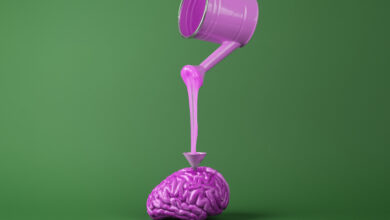
Gratitude literally changes your brain. It activates the hypothalamus and boosts dopamine—the “feel good” chemical. Over time, it trains your mind to seek joy rather than stress.
🧘 What Gratitude Is (and What It Isn’t)
Gratitude is:
- A mindset, not just a reaction
- Choosing to focus on what’s good, even in hard times
- A daily habit that strengthens over time
Gratitude is not:
- Toxic positivity
- Ignoring problems
- Pretending everything is perfect
You can feel grief and gratitude at the same time. It’s about holding space for both pain and peace.
✅ Benefits of a Daily Gratitude Practice
1. Improved Mental Health
Gratitude reduces cortisol (stress hormone) and increases serotonin. Studies show it lowers depression symptoms—even in those with severe trauma.
2. Stronger Relationships
People who express appreciation build deeper connections. Gratitude makes others feel seen, valued, and respected.
3. Better Sleep
Gratitude journaling before bed reduces racing thoughts and improves sleep quality.
4. Boosted Self-Esteem
Gratitude helps you focus on your strengths and wins rather than your flaws or failures.
5. More Resilience
When life gets hard, gratitude grounds you in what’s still good. It helps you bounce back faster.
✍️ 7 Powerful Ways to Practice Gratitude Daily
1. Gratitude Journaling
Every morning or night, write down 3–5 things you’re thankful for. They can be big or small:
- A warm cup of tea
- A supportive friend
- Your health
- A sunset you noticed
Consistency matters more than depth.
2. Thank-You Letters (Sent or Not)
Write a heartfelt note to someone who impacted your life. Whether you send it or not, the act itself builds emotional connection and perspective.
3. Gratitude Walks
Take a 10–15 minute walk and mentally list everything you appreciate—your body, nature, the weather, your breath. Movement + mindfulness = magic.
4. Gratitude Jar
Keep a jar where you drop notes of daily wins, kind words, or things you’re grateful for. Read them when you’re feeling low.
5. Say It Out Loud
Tell people when you appreciate them. A quick “I’m really grateful for you” can shift the tone of a relationship instantly.
6. Visual Reminders
Place sticky notes or gratitude quotes where you’ll see them daily—mirror, laptop, phone wallpaper.
7. Gratitude Meditation
Close your eyes and bring to mind people, moments, or memories you’re thankful for. Feel the emotion in your body.
🌀 Practicing Gratitude During Hard Times
Gratitude isn’t just for good days—it’s most powerful when life feels hard.
Try this:
- “What challenge taught me something valuable this year?”
- “What support system do I still have?”
- “What am I taking for granted that I’d miss if it disappeared?”
Even when everything feels heavy, gratitude brings light.
💬 Gratitude vs. Complaining
| Complaining | Gratitude |
|---|---|
| Focuses on what’s lacking | Focuses on what’s present |
| Attracts negativity | Attracts positivity |
| Drains energy | Builds resilience |
| Weakens relationships | Strengthens connection |
You always have a choice. Choose your focus.
🔁 How Gratitude Attracts Positivity
- When you focus on good things, you notice more of them
- Gratitude shifts your energy and emotional state
- Positive energy improves how you interact with others, which attracts better experiences
This isn’t magic—it’s momentum.
✅ Final Thoughts
Gratitude won’t erase your problems, but it will shift how you face them. It’s not just a feel-good trend—it’s a proven tool for better mental health, stronger relationships, and a happier life.
Start small. Notice one thing. Say thank you.
Do it again tomorrow. And the next day.
Over time, your perspective—and your life—will transform.
Continue your growth journey by exploring our guide: