Table of contents
Key Takeaways
- 3D printing manufacturing is revolutionizing industries like aerospace, healthcare, and automotive by offering speed, flexibility, and cost-efficiency.
- It creates objects by adding material layer by layer, which minimizes waste and enables complex designs.
- Customization at scale and localized manufacturing reduce shipping times while supporting supply chain resilience.
- Challenges still exist, such as speed limits for mass production and material availability, but advancements are quickly addressing these issues.
- Embracing 3D printing manufacturing in 2025 can lead to competitive advantages and innovative solutions.
The manufacturing world is undergoing a massive transformation, and at the center of this change is 3D printing, also known as additive manufacturing. In 2025, 3D printing is no longer limited to prototypes or hobbyist projects — it’s now a full-scale production method revolutionizing industries from aerospace to healthcare.
By offering speed, flexibility, and cost-efficiency, 3D printing is disrupting traditional manufacturing models and redefining how we design, produce, and deliver products.
What Is 3D Printing?
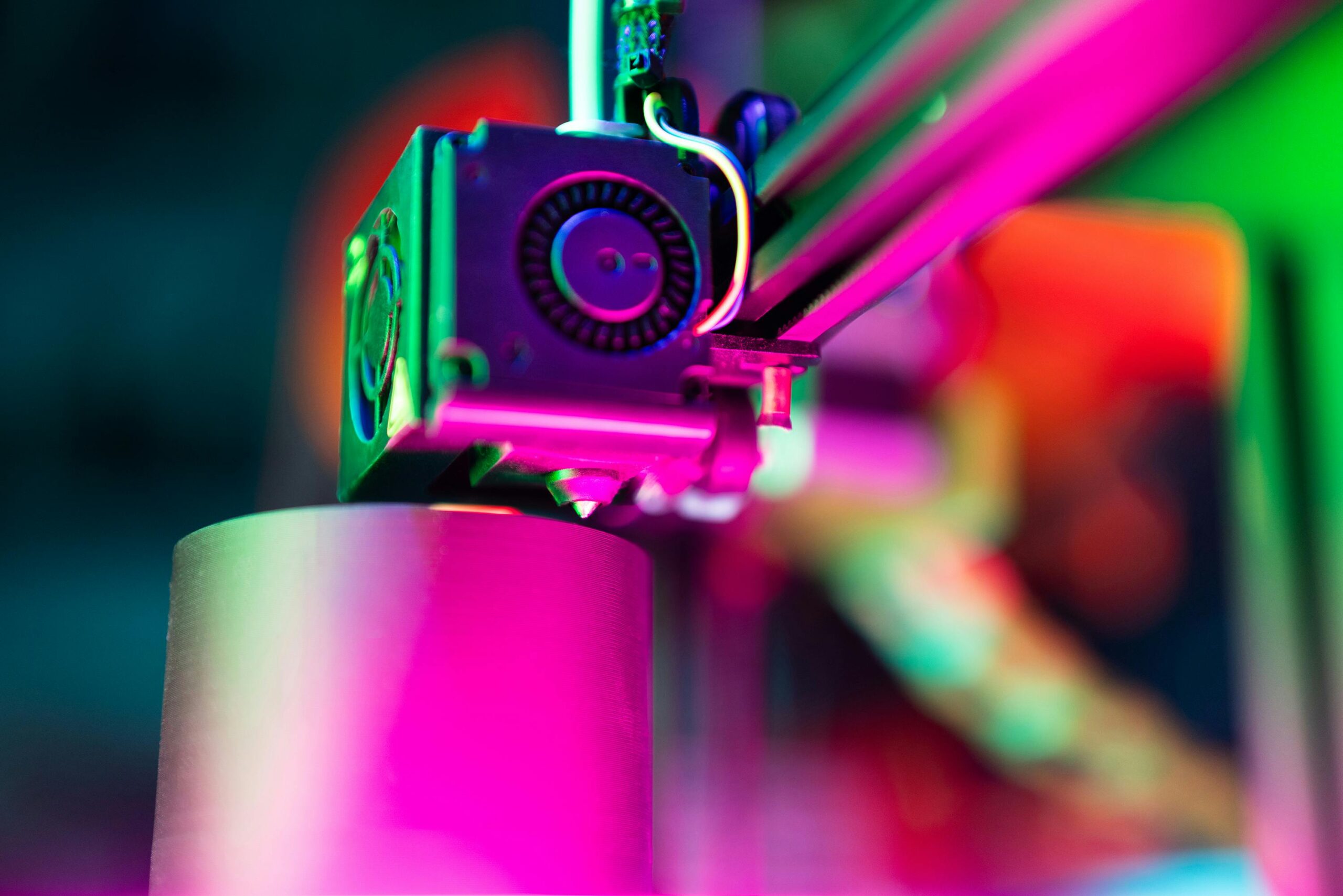
3D printing is a process that creates three-dimensional objects by adding material layer by layer, based on a digital model. Unlike subtractive manufacturing (which removes material from a block), additive manufacturing minimizes waste and enables complex geometries.
Materials used include:
- Plastics (PLA, ABS, PETG)
- Metals (titanium, aluminum, stainless steel)
- Resins, ceramics, and even biomaterials for medical applications
Why 3D Printing Is a Game-Changer in 2025
- Faster Prototyping and Iteration
- Engineers can test and refine designs within hours, not weeks
- Encourages innovation by reducing development costs
- Customization at Scale
- Products can be personalized (e.g., dental implants, shoes, prosthetics) without additional tooling
- Small batch production becomes economically viable
- Localized Manufacturing
- Companies print products on-demand near their customers, reducing shipping times and emissions
- Supports supply chain resilience during global disruptions
- Sustainability
- Less material waste compared to traditional processes
- Reduced need for transportation and storage
Industries Being Disrupted
✈️ Aerospace
- Lighter, stronger parts reduce fuel consumption
- Boeing and NASA are using 3D-printed components in rockets and planes
🏥 Healthcare
- Customized prosthetics, dental devices, and surgical tools
- Bio-printing of tissues and organs in research stages
🚘 Automotive
- Faster prototyping and on-demand parts manufacturing
- Major automakers use 3D printing for complex engine components
🏠 Construction
- 3D-printed homes built in days, using concrete or recycled materials
- Lower labor costs and waste, ideal for low-income housing
🎨 Fashion & Jewelry
- Unique designs produced without molds
- Sustainable fashion experiments with printed textiles
Challenges to Overcome
While 3D printing is booming, it still faces hurdles:
- Speed and volume: Not ideal (yet) for high-speed mass production
- Material limits: Some industries require materials not yet printable
- Regulation: Especially in medicine and aerospace, quality control is critical
However, with advances in printer speed, AI design tools, and material science, these limitations are shrinking fast.
SEO Strategy: Why This Topic Drives Traffic
Search interest in “3D printing” remains strong — especially as more startups and small businesses explore its potential.
📈 Targeted SEO keywords:
- 3D printing in manufacturing 2025
- benefits of 3D printing
- industries using 3D printing
- how additive manufacturing works
- 3D printed products examples
📝 SEO Tips:
- Include visuals of 3D printers and printed objects
- Use headers with “how”, “why”, “what is” to answer search intent
- Add internal links to tech or innovation categories
Conclusion
3D printing is no longer just a cool gadget — it’s a powerful production method that’s shaking up industries and offering smarter, cleaner, and faster ways to build. In 2025, embracing additive manufacturing could mean gaining a competitive edge, cutting costs, and pushing innovation to new heights.
Whether you’re an engineer, entrepreneur, or enthusiast, now is the time to explore how 3D printing can reshape your world.
Continue your growth journey by exploring our guide:
-

-
-

-

-

-